
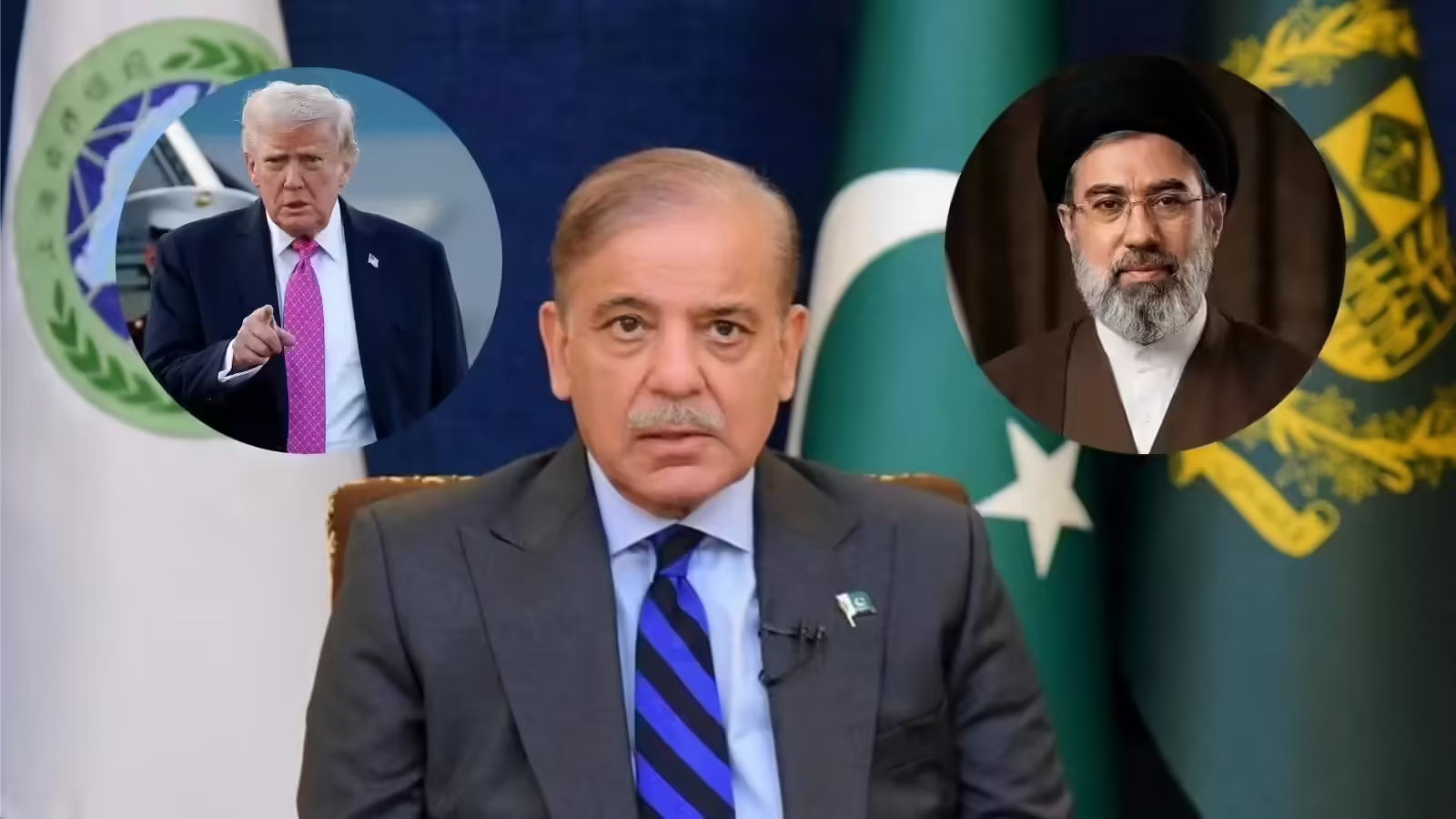
A recent report has unveiled the duplicity of Pakistan, revealing claims that the country has assisted Iran in concealing its aircraft. This allegation raises significant concerns about Pakistan’s involvement in regional security issues and its relations with other nations. The assertion suggests that Pakistan is not only playing a double game but is also potentially undermining international efforts to monitor and control military activities in the region. Such actions could lead to heightened tensions and mistrust among neighboring countries and global powers alike.
Furthermore, officials from Pakistan have responded to these allegations by stating that their intentions were solely to engage in dialogue. They claim that the collaboration was part of a broader effort to foster communication and understanding in a volatile region. However, this defense may not adequately address the gravity of the situation, as the implications of supporting a country like Iran, which is often scrutinized for its military ambitions, could have far-reaching consequences.
The geopolitical landscape in South Asia is already fraught with challenges, and Pakistan’s alleged actions may further complicate diplomatic relations. As various stakeholders assess the impact of these revelations, it becomes increasingly important to scrutinize the motivations behind such alliances. The world is watching closely to see how Pakistan navigates this delicate situation and whether they will prioritize dialogue or continue down a path that could exacerbate regional instability.


