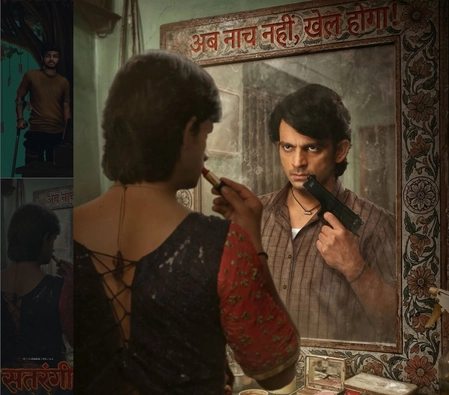
In “Satrangi,” Anshuman Pushkar takes center stage as he navigates a life filled with dualities, where the spectacle itself becomes a tool for survival. The narrative delves into the complexities of his character, portraying how the external flamboyance of a vibrant persona often masks the underlying struggles of existence. As audiences witness the colorful array of experiences and emotions, they also come to understand the stark contrasts that define Pushkar’s journey.
The story intricately weaves themes of identity and authenticity, illustrating how the demands of society can compel individuals to adopt various facades. Pushkar’s character exemplifies this duality, embodying a vibrant performer on the surface while grappling with the darker realities hidden beneath. This exploration of the human condition prompts viewers to reflect on their own lives, questioning the roles they play in different settings and the genuine selves that lie beneath.
Moreover, “Satrangi” challenges the notion of performance itself, suggesting that life often resembles a grand stage where each individual plays their part. Pushkar’s experiences serve as a poignant reminder that the masks we wear can both empower and ensnare us. As the narrative unfolds, it becomes evident that the true essence of life lies not in the spectacle but in the authenticity that often resides in the shadows. Thus, “Satrangi” is not just a tale of a dual life; it is an invitation to explore the deeper layers of existence and the myriad ways in which we express our true selves amidst the chaos of the world.