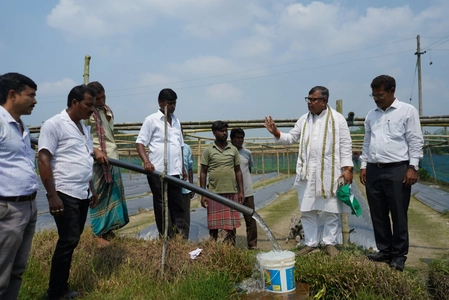
Tripura has made significant strides in renewable energy by installing 8,364 solar pumps under the PM-KUSUM scheme in the northeastern region of India. This initiative, which stands for Pradhan Mantri Kisan Urja Suraksha evam Utthaan Mahabhiyan, aims to promote the use of solar energy in agriculture and enhance the livelihood of farmers across the country. By providing solar pumps, the government seeks to reduce farmers’ dependency on traditional power sources and diesel fuel, which can be both costly and environmentally damaging.
The installation of these solar pumps in Tripura not only contributes to sustainable agricultural practices but also helps in addressing the energy needs of farmers in remote areas. This development is crucial in a region where access to electricity can be limited, and where agricultural productivity is vital for the economy. By harnessing solar energy, farmers can irrigate their fields more efficiently, ultimately leading to better crop yields and improved income.
Moreover, the initiative aligns with the broader goals of promoting clean energy and reducing carbon emissions in line with India’s commitment to combat climate change. The success of the PM-KUSUM scheme in Tripura can serve as a model for other states in the region, encouraging the adoption of solar technology to empower farmers and boost agricultural productivity. As the state continues to invest in renewable energy, it paves the way toward a more sustainable and self-reliant agricultural sector, ensuring food security and economic stability for its residents.