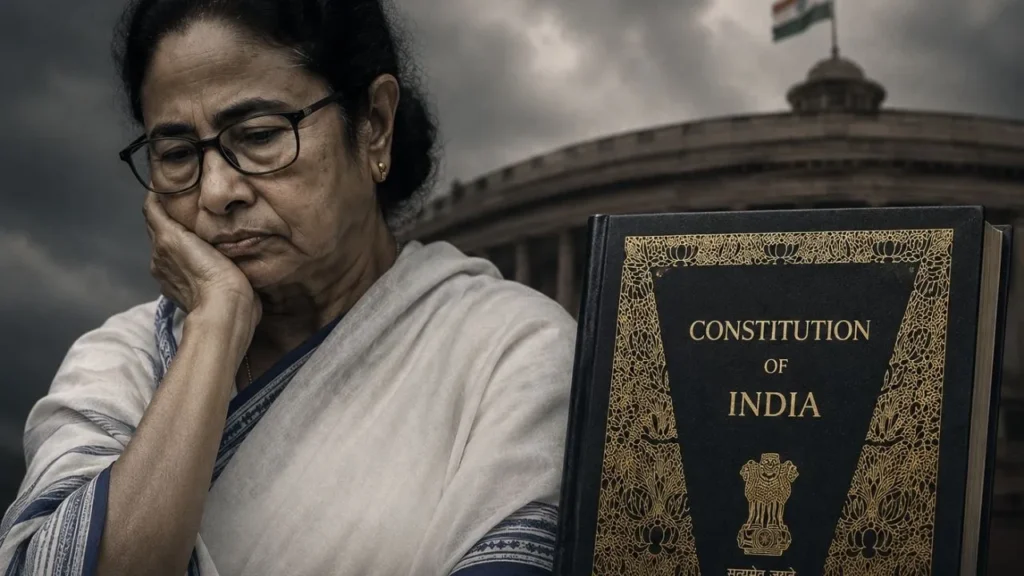
In a significant political development in West Bengal, Chief Minister Mamata Banerjee has been removed from office as the governor has officially dissolved the state assembly. This unexpected turn of events has sent shockwaves through the political landscape of the region, where Banerjee has been a dominant figure for over a decade. The dissolution of the assembly often signifies a major shift in governance, and it raises questions about the future political direction of West Bengal.
Mamata Banerjee, leader of the Trinamool Congress (TMC), has been known for her fiery speeches and grassroots political strategies, which have resonated with a large segment of the population. Her tenure has been marked by several key initiatives aimed at improving infrastructure, healthcare, and education in the state. However, her administration has also faced criticism over various issues, including governance challenges and allegations of corruption. The governor’s decision to dissolve the assembly could be interpreted as a culmination of mounting political pressures and the shifting dynamics within the state’s political environment.
The dissolution of the assembly opens the door for the possibility of new elections, which could reshape the political landscape in West Bengal. Political analysts and observers are keenly watching how various parties will respond to this development and whether Banerjee will attempt to regain her position or face emerging challengers within the state. The situation remains fluid, and it is expected that both supporters and opponents of Banerjee will mobilize quickly in response to this significant change. As the political drama unfolds, the focus will be on how the electorate will react in the forthcoming elections and what strategies political parties will employ to secure their foothold in West Bengal.