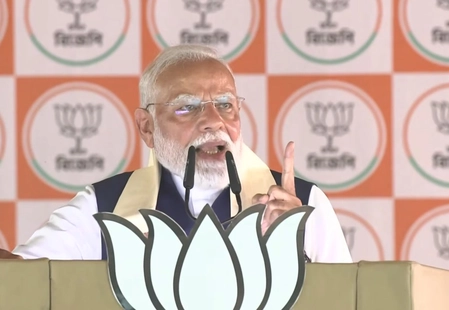
In West Bengal, a significant political upheaval has captured the attention of analysts and political enthusiasts alike, leading to a fervent discussion about the strategic maneuvers of the Bharatiya Janata Party (BJP). The state has been a focal point of political activity, especially given its complex history and the recent shifts in voter sentiment. The BJP, which has been making concerted efforts to strengthen its foothold in West Bengal, has been deploying various strategies aimed at consolidating its support base and challenging the dominance of the Trinamool Congress (TMC), led by Chief Minister Mamata Banerjee.
The political landscape in West Bengal has been marked by intense rivalry, and the BJP’s approach has included grassroots mobilization, targeted outreach to specific communities, and leveraging social media platforms to engage with voters. Analysts have noted how the party’s leadership has been keen on addressing local issues, presenting itself as a viable alternative to the TMC. The BJP’s narrative often revolves around development, governance, and law and order, resonating with a segment of the electorate that is disillusioned with the existing administration.
Moreover, the BJP’s electoral strategies have also involved alliances with regional parties and influential local leaders to enhance its appeal. The party’s ability to adapt and tailor its message to suit the aspirations of the West Bengal populace has been crucial in its quest for political relevance in the region. As the political climate continues to evolve, the implications of these strategic moves by the BJP are likely to have a lasting impact on the state’s electoral dynamics, potentially reshaping the landscape for upcoming elections. The ongoing discussions and analyses surrounding these developments highlight the importance of understanding the intricate political fabric of West Bengal and the role of national parties like the BJP in local governance.