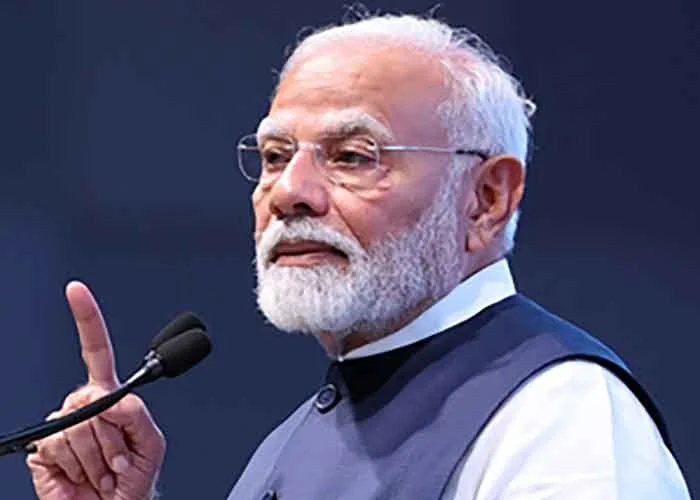
Prime Minister Narendra Modi has made a provocative statement regarding the Indian National Congress, likening the party to a group of “Urban Naxals.” This assertion reflects his view of the Congress as disconnected from the realities of the common people and instead aligned with radical elements that undermine national stability. By using the term “Urban Naxals,” Modi is drawing attention to individuals he perceives as intellectuals and activists who support Maoist ideologies and contribute to unrest in urban areas. This characterization aims to portray Congress as having strayed from its foundational principles and instead fostering a culture of dissent that threatens the social fabric of the country.
Modi’s comments come in the context of ongoing political tensions and debates about national security, governance, and the effectiveness of the opposition. He argues that the Congress party, which once played a pivotal role in India’s independence and democratic processes, has devolved into a faction that prioritizes its survival over the nation’s welfare. This critique serves a dual purpose: it aims to rally his supporters by painting a stark contrast between the ruling party and its primary opponent, while also attempting to discredit the Congress’s ability to lead the country effectively.
The Prime Minister’s rhetoric underscores the broader narrative of polarization in Indian politics, where parties are often labeled in extreme terms to galvanize support among their bases. By framing Congress as a gang of “Urban Naxals,” Modi seeks to invoke fear and urgency among voters, suggesting that they must choose between stability and chaos in the upcoming elections. This strategy reflects a concerted effort to maintain his party’s dominance by framing the opposition as a significant threat to India’s democratic and social order. As the political landscape evolves, it remains to be seen how this characterization will resonate with the electorate and influence the future of Indian politics.