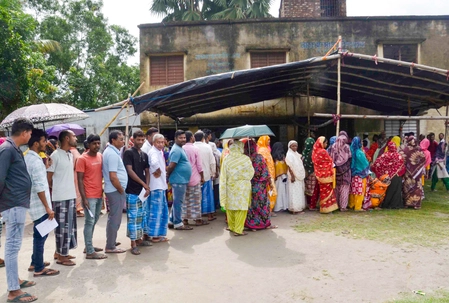
In West Bengal, a significant turnout was recorded during the re-polling that took place at 15 polling booths, achieving an impressive voting percentage of 90.61%. This high level of participation reflects the active engagement of the electorate in the democratic process, underscoring the importance of each individual’s vote in shaping the future of their community and the state at large. Such a turnout is particularly noteworthy in the context of India’s vibrant democracy, where elections often witness fluctuating voter engagement.
The re-polling at these booths was necessitated due to various irregularities and issues that were identified during the initial voting process. Ensuring fair and transparent elections is crucial for maintaining public trust in the electoral system. The decision to conduct re-polling demonstrates the electoral authorities’ commitment to uphold the integrity of the voting process, allowing citizens to have their voices heard without any hindrance or manipulation.
The remarkable voter turnout also indicates the heightened political awareness among the populace, as well as the efforts made by various stakeholders to encourage participation. This could involve initiatives by political parties, civil society organizations, and local leaders who worked to motivate voters to exercise their rights. Ultimately, such a robust engagement is not only a victory for the democratic process but also a clear signal to political leaders about the issues and concerns that matter most to the electorate.
As the results of this re-polling unfold, they will likely have significant implications for the political landscape in West Bengal. The enthusiasm shown by voters may influence future electoral strategies and policies, compelling leaders to prioritize the needs and aspirations of their constituents. In this way, the re-polling serves as a reminder of the power of democracy and the critical role that citizens play in shaping their governance.