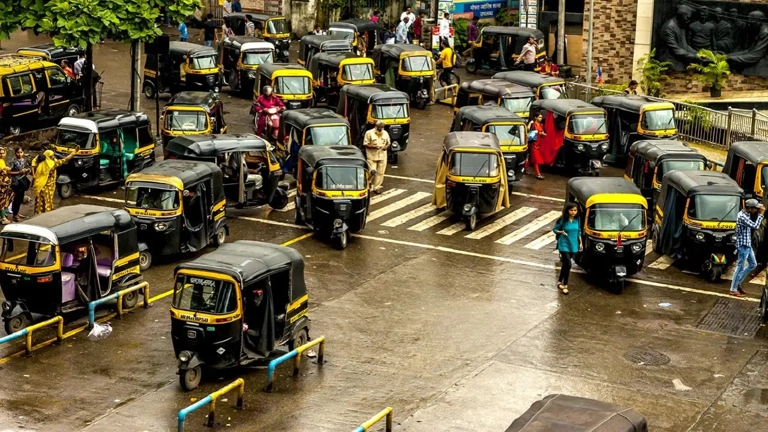
A significant language controversy has emerged in Maharashtra, where the state government has mandated that auto and taxi drivers must have proficiency in Marathi. This decision has sparked a considerable debate among various groups, particularly unions representing drivers, who argue that such a requirement could adversely affect their livelihoods. The unions have expressed strong dissatisfaction with the government’s move, claiming that it could lead to discrimination against non-Marathi speakers in the transport sector.
In response to this policy, the unions have announced a strike threat starting from May 4, indicating their readiness to mobilize their members in protest. They believe that enforcing Marathi as a compulsory language for drivers is an impractical approach that may not necessarily improve service quality or safety but could instead alienate many drivers who contribute to the transport ecosystem. The unions are calling for a dialogue with the government to reconsider this policy and seek a more inclusive approach that respects the linguistic diversity of the state.
As the situation develops, the implications of this language requirement could have far-reaching effects not only on the auto and taxi services but also on the broader socio-political landscape in Maharashtra. The discourse surrounding language and identity in India is deeply intertwined with regional pride and economic opportunities, making it a sensitive issue. The outcome of this dispute will likely influence public sentiment and could set a precedent for similar language policies in other states across the country. The coming days will be critical as both the government and the unions prepare for potential confrontations and negotiations.