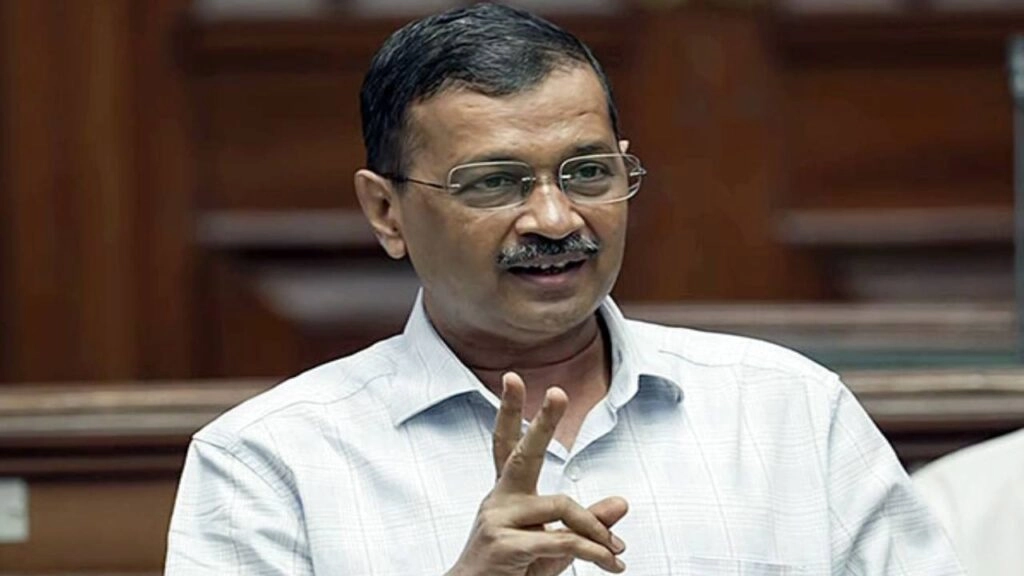
In a recent development that has raised eyebrows and questions about the integrity of the justice system, Delhi Chief Minister Arvind Kejriwal has expressed his deep concerns through a letter addressed to Justice Swarn Kanta Sharma. In this correspondence, Kejriwal has made it clear that he will not be appearing before the court, citing a significant breach of trust in the judicial process. This decision has sparked widespread discussion and speculation regarding the implications for both the political landscape and the judiciary.
Kejriwal’s letter outlines his grievances and the rationale behind his refusal to participate in the judicial proceedings. He articulates a growing sense of disillusionment with the judicial system, which he believes has failed to uphold the principles of fairness and justice. The Chief Minister’s stance highlights a broader sentiment among certain political figures and their supporters, who often perceive the judiciary as being influenced by external pressures, thereby undermining its role as an impartial arbiter.
The specifics of what Kejriwal wrote in his letter have not been fully disclosed, but it is evident that his decision is rooted in a profound skepticism regarding the motivations and actions of those involved in the case. This situation raises critical questions about the relationship between politics and the judiciary in India, and whether political leaders can maintain faith in a system they perceive as flawed. As the situation unfolds, it remains to be seen how this will impact the ongoing judicial proceedings and the public’s trust in both the government and the legal system.
Kejriwal’s refusal to appear in court is not just a personal decision; it resonates with a larger narrative about accountability and transparency in governance. The implications of this letter could have far-reaching effects, potentially influencing public opinion and prompting discussions about necessary reforms within the judicial framework. As citizens watch closely, the unfolding events may either restore faith in the justice system or further erode trust among the populace.