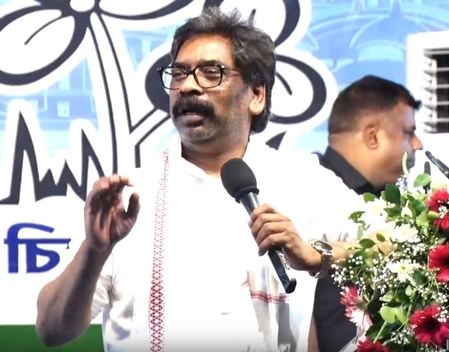
West Bengal is witnessing a significant political development as the Trinamool Congress (TMC) appears to be progressing towards victory in the ongoing elections. Chief Minister Hemant Soren has expressed his confidence in the TMC’s performance, indicating that the party is on a path to success. This sentiment reflects a broader political landscape where parties are closely monitoring election outcomes, anticipating shifts in power dynamics.
The TMC, led by Mamata Banerjee, has been a formidable force in West Bengal politics. Their ability to connect with the electorate and address local issues has played a crucial role in their electoral strategies. As the counting of votes continues, the implications of a TMC victory could be profound, potentially influencing political alliances and governance in the region.
Hemant Soren’s remarks also highlight the interconnectedness of state politics in India, where elections in one state can resonate across borders, impacting neighboring regions. The results from West Bengal may set the tone for future electoral contests, as parties analyze the strategies that led to success or failure. The anticipation surrounding these elections underscores the importance of voter engagement and the need for political parties to remain attuned to the aspirations of the electorate.
Overall, the unfolding situation in West Bengal serves as a reminder of the dynamic nature of Indian politics, where each election carries the potential for significant change. As the TMC moves closer to victory, the political narrative in West Bengal is likely to evolve, shaping the future landscape of governance in the state.