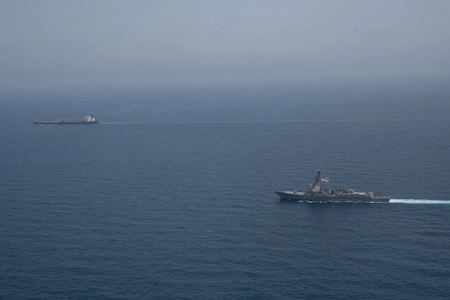
The U.S. military has reported that Iran’s blockade is still “fully in effect.” This statement emphasizes the ongoing tensions in the region and the strategic measures being employed to manage Iran’s influence. Despite various diplomatic efforts and negotiations aimed at calming hostilities, the situation remains complex and fraught with challenges.
The blockade has significant implications for both regional stability and international relations. It affects not only Iran but also its neighboring countries and global powers involved in the Middle East. The U.S. continues to monitor Iran’s activities closely, as the nation has been known to engage in various military and political maneuvers that could threaten nearby maritime routes and airspace.
Furthermore, the blockade serves as a reminder of the broader geopolitical struggles at play. The U.S. has positioned itself as a key player in attempting to contain Iran’s reach, while Iran’s resilience and strategic responses underscore its determination to assert its presence in the region. As both sides navigate this intricate landscape, the potential for conflict looms, raising concerns for the safety and security of all parties involved.
In conclusion, the declaration of the blockade being “fully in effect” by the U.S. military reflects a persistent state of vigilance and readiness in the face of ongoing challenges posed by Iran. The situation requires careful diplomacy and strategic planning to prevent escalation and promote stability in the Middle East. The international community remains watchful, knowing that any misstep could lead to significant repercussions across the region and beyond.