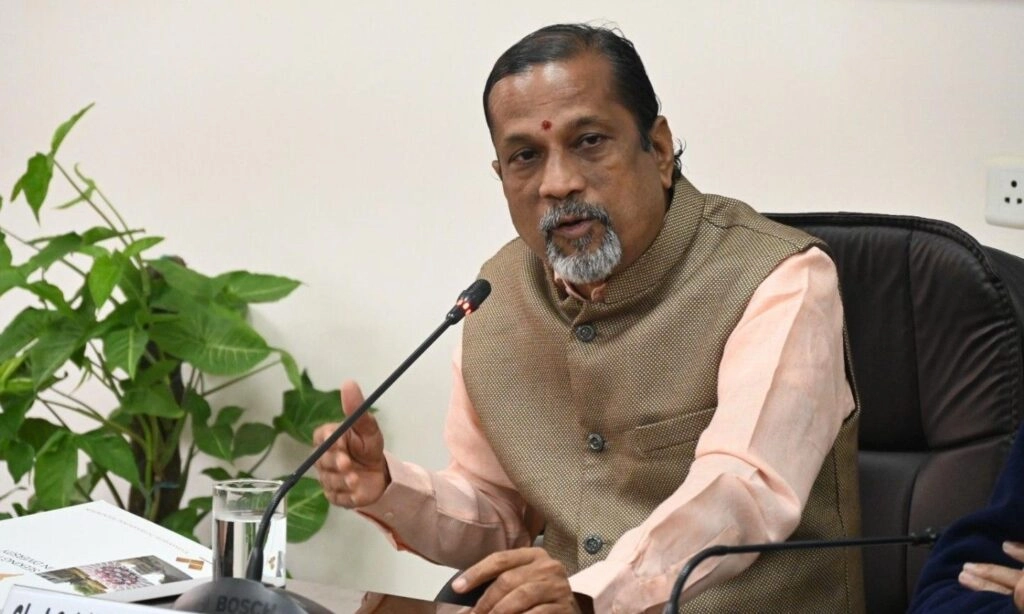
Dhirendra Shastri’s recent statement advocating for the dedication of children to the Sangh has sparked significant controversy in Nagpur. The comment, made during a public gathering, has raised eyebrows and ignited discussions among various community groups and political factions. Shastri, a well-known figure, is recognized for his influential speeches and strong opinions, and this latest pronouncement has only added fuel to the fire of ongoing debates about the role of ideology in shaping the upbringing of the younger generation.
The call to dedicate children to the Sangh, which is associated with the Rashtriya Swayamsevak Sangh (RSS), has been interpreted in various ways. Supporters argue that instilling values and principles from a young age is crucial for fostering a sense of national identity and cultural pride. They believe that such dedication is essential for the continuity of their ideological beliefs and the promotion of a unified vision for the future of the country. However, critics have voiced concerns about the implications of such a statement, warning that it may lead to the politicization of childhood and the imposition of specific ideologies on impressionable minds.
As the conversation unfolds, communities in Nagpur are grappling with the broader implications of Shastri’s words. Some parents express apprehension about the pressures to conform to particular ideologies, fearing that their children’s autonomy and ability to form their own beliefs might be compromised. Others see it as a call to action, encouraging families to take a more active role in instilling values they deem important. The discourse has also extended beyond Nagpur, prompting reactions from political leaders and activists across the country, who are keen to weigh in on the balance between cultural education and individual freedom in childhood development.
In a society marked by diverse perspectives and beliefs, Shastri’s statement serves as a focal point for ongoing discussions about the intersection of education, ideology, and parenting. As debates continue, the community remains divided, reflecting the complexities of navigating cultural identity in a rapidly changing world. Whether viewed as a necessary push for cultural preservation or as an overreach into personal freedoms, the implications of dedicating children to any ideology, including the Sangh, will likely remain a contentious topic for some time to come.