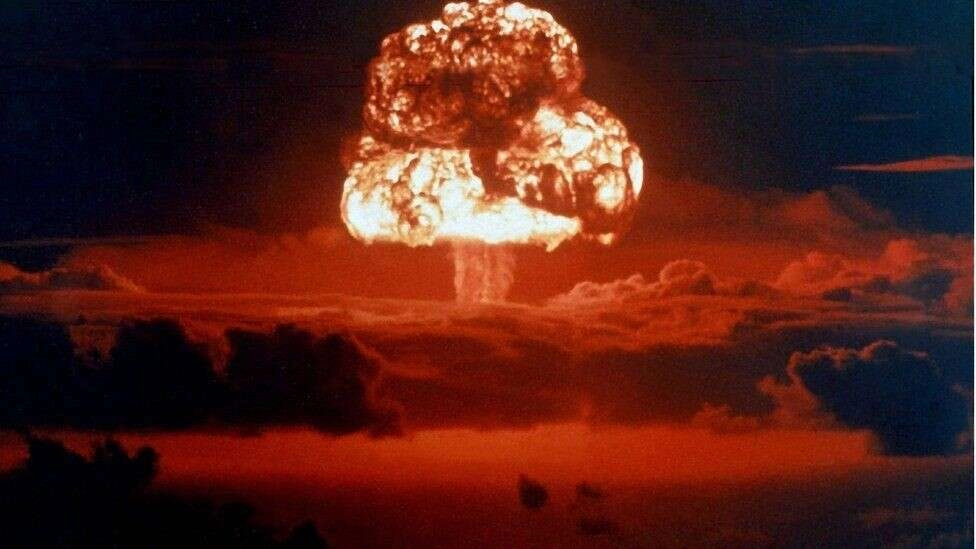
The terrifying mathematics of nuclear bombs reveals the staggering potential for destruction that exists within these weapons. The idea that a single nuclear bomb can cause catastrophic devastation is well known, but when we consider the sheer number of such bombs that could potentially erase human civilization, the figures become chilling. Estimates suggest that a relatively small number of strategically placed nuclear weapons could lead to the annihilation of most life on Earth, with only a few hundred bombs being sufficient to cause widespread destruction and long-term consequences.
The destructive power of nuclear bombs is not just a matter of immediate explosion; it also encompasses the subsequent fallout, environmental damage, and the long-term effects of radiation. In the event of a nuclear war, cities would be reduced to ashes, infrastructure would be in ruins, and countless lives would be lost within moments. Moreover, the aftermath would render vast areas uninhabitable, leading to famine, disease, and a collapse of societal structures. The ripple effects would not only affect the countries directly involved but could destabilize regions across the globe, leading to further conflicts and humanitarian crises.
The grim reality is that even a limited nuclear exchange could have dire implications for the planet. Scientists have modeled scenarios where just a few hundred nuclear bombs are detonated, estimating that the resulting climate changes could trigger a nuclear winter, significantly lowering temperatures and disrupting agricultural production worldwide. This could lead to mass starvation, as food supplies dwindle and ecosystems collapse. Thus, the mathematics of nuclear weapons extends far beyond mere numbers; it encompasses the existential threat they pose to humanity itself and the delicate balance of life on Earth.
The question of how many nuclear bombs are needed to wipe out civilization is not just a theoretical exercise; it underscores the urgent need for disarmament and international cooperation to prevent such a catastrophic scenario. As nations continue to develop and stockpile these weapons, it is crucial for global leaders and organizations to engage in meaningful dialogue aimed at reducing nuclear arsenals and fostering peace. The stakes are incredibly high, and the potential consequences of inaction are too grave to ignore. In understanding the terrifying mathematics behind nuclear weapons, we are reminded of our shared responsibility to ensure a safer, more secure world for future generations.