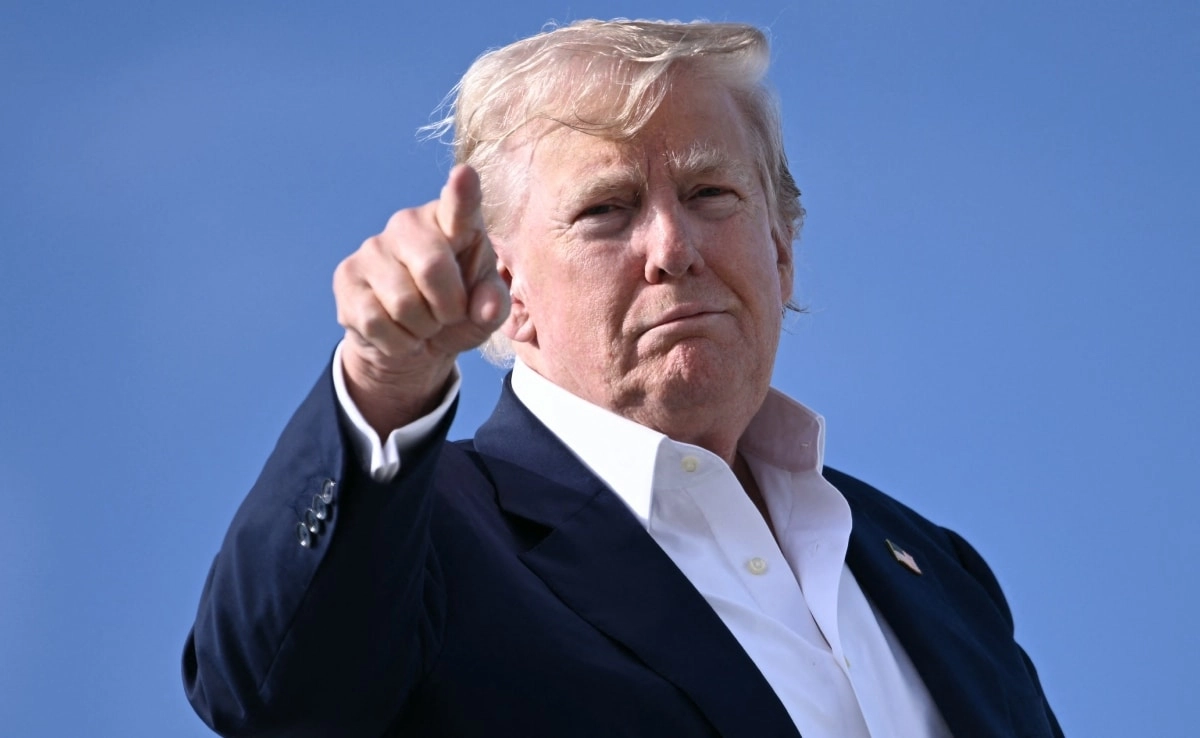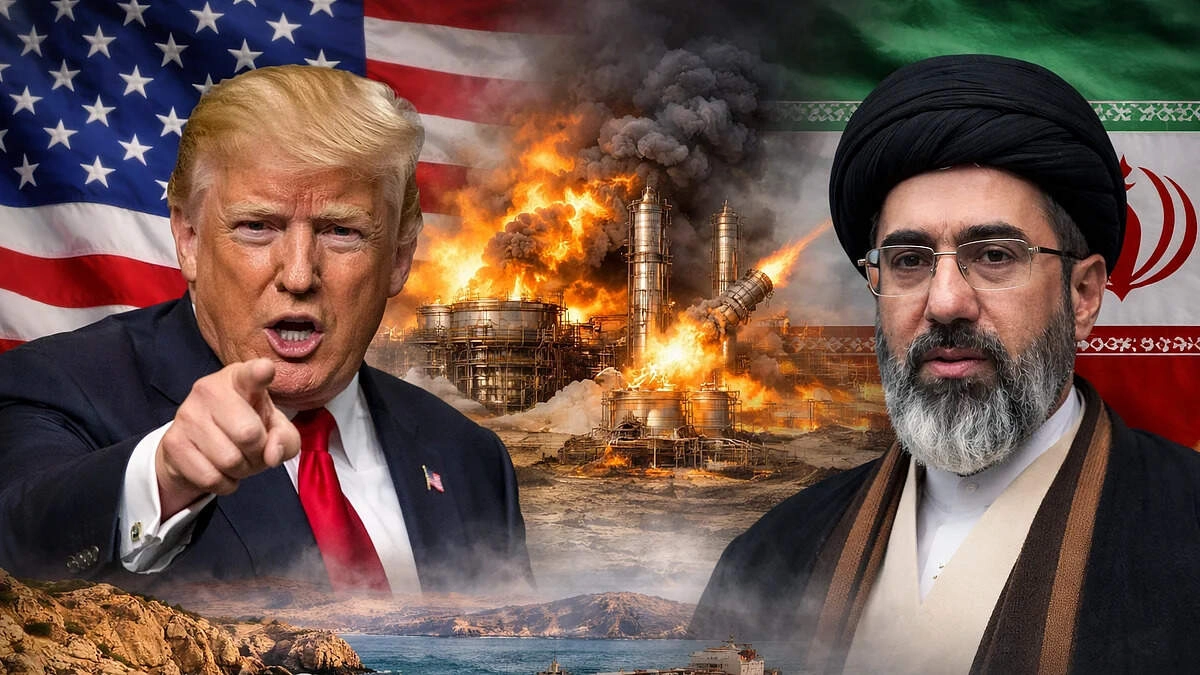
The uncertainty surrounding the Islamabad 2.0 talks has intensified as former U.S. President Donald Trump issued a stark warning regarding Iran. He declared that there would be no ceasefire and threatened to escalate military actions by “dropping bombs.” This statement reflects a significant shift in the rhetoric concerning the Middle East, where tensions have been high for years. Trump’s comments suggest a willingness to adopt a more aggressive stance if diplomatic efforts fail to yield results.
As discussions in Islamabad focus on stabilizing the region and addressing various geopolitical issues, Trump’s warning adds a layer of complexity to the negotiations. The potential for military escalation raises concerns among world leaders and diplomats who are working towards achieving peace and security. The backdrop of these talks is critical, as the international community is wary of any actions that could lead to further conflict in an already volatile area.
The Islamabad 2.0 talks aim to bring together key stakeholders to explore avenues for peace, but with threats of military action looming, participants may find it challenging to engage in productive dialogue. The balance between diplomacy and military readiness is a delicate one, and Trump’s remarks may serve to undermine the cooperative spirit necessary for successful negotiations. As the talks progress, the stakes remain high, and the world watches closely to see how the situation unfolds amidst these mounting tensions.