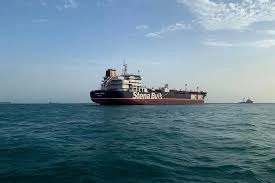
Iran has announced that it will maintain control over the traffic in the Strait of Hormuz until the end of the ongoing war. This strategic waterway is one of the most vital maritime routes in the world, as it serves as a critical passage for a significant portion of the global oil supply. The strait connects the Persian Gulf with the Gulf of Oman and is a key transit point for oil tankers and other vessels. Iran’s decision to exert control over this area underscores the geopolitical tensions that have been escalating in the region.
The Strait of Hormuz has historically been a flashpoint for military confrontations and political strife. By asserting dominance over this crucial passage, Iran aims to send a message regarding its influence and capabilities in the face of adversities. The Iranian authorities have indicated that their control will remain in effect until a comprehensive resolution to the ongoing conflict is reached. This declaration raises concerns among international shipping companies and countries that rely heavily on oil imports passing through the strait.
With the ongoing war’s implications, the stability of the region is uncertain, and the potential for disruptions in maritime traffic could have significant economic ramifications globally. Countries dependent on oil from the Gulf region are likely to be monitoring the situation closely, as any escalation could lead to increased oil prices and supply chain challenges. Furthermore, the international community may need to consider diplomatic measures to ensure the safe passage of vessels through this strategically important waterway.