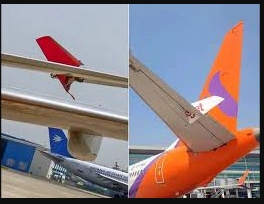
A SpiceJet aircraft was involved in a collision with a stationary Akasa Air plane at Delhi Airport, raising concerns about safety protocols and operational procedures at one of the country’s busiest aviation hubs. The incident occurred while the SpiceJet aircraft was taxiing on the runway, and it reportedly struck the parked Akasa plane, leading to damage on both aircraft. Fortunately, there were no passengers on board the Akasa Air plane at the time of the incident, and the SpiceJet flight had already completed its boarding process.
Authorities at the airport swiftly responded to the situation, initiating an investigation to determine the circumstances surrounding the collision. Preliminary reports indicated that the SpiceJet pilot might have misjudged the aircraft’s proximity to the Akasa aircraft, which was stationary at the time. This incident has prompted discussions about the need for enhanced safety measures and better communication among ground staff and pilots to prevent similar occurrences in the future.
The incident serves as a reminder of the importance of adhering to strict safety protocols in aviation. Airports are bustling environments with multiple aircraft operations occurring simultaneously, and even minor lapses in judgment can lead to serious accidents. As investigations continue, both SpiceJet and Akasa Air will likely review their operational procedures to identify any areas for improvement. The aviation industry must remain vigilant in ensuring that safety remains the top priority, particularly in high-traffic areas like Delhi Airport.
This collision not only raises questions about safety but also highlights the challenges faced by airlines and airport authorities in managing operations efficiently. As travel demand increases, maintaining safety while ensuring timely departures and arrivals is crucial. The outcome of the investigation will be closely monitored by industry stakeholders, as they seek to implement any necessary changes to prevent such incidents from occurring in the future.