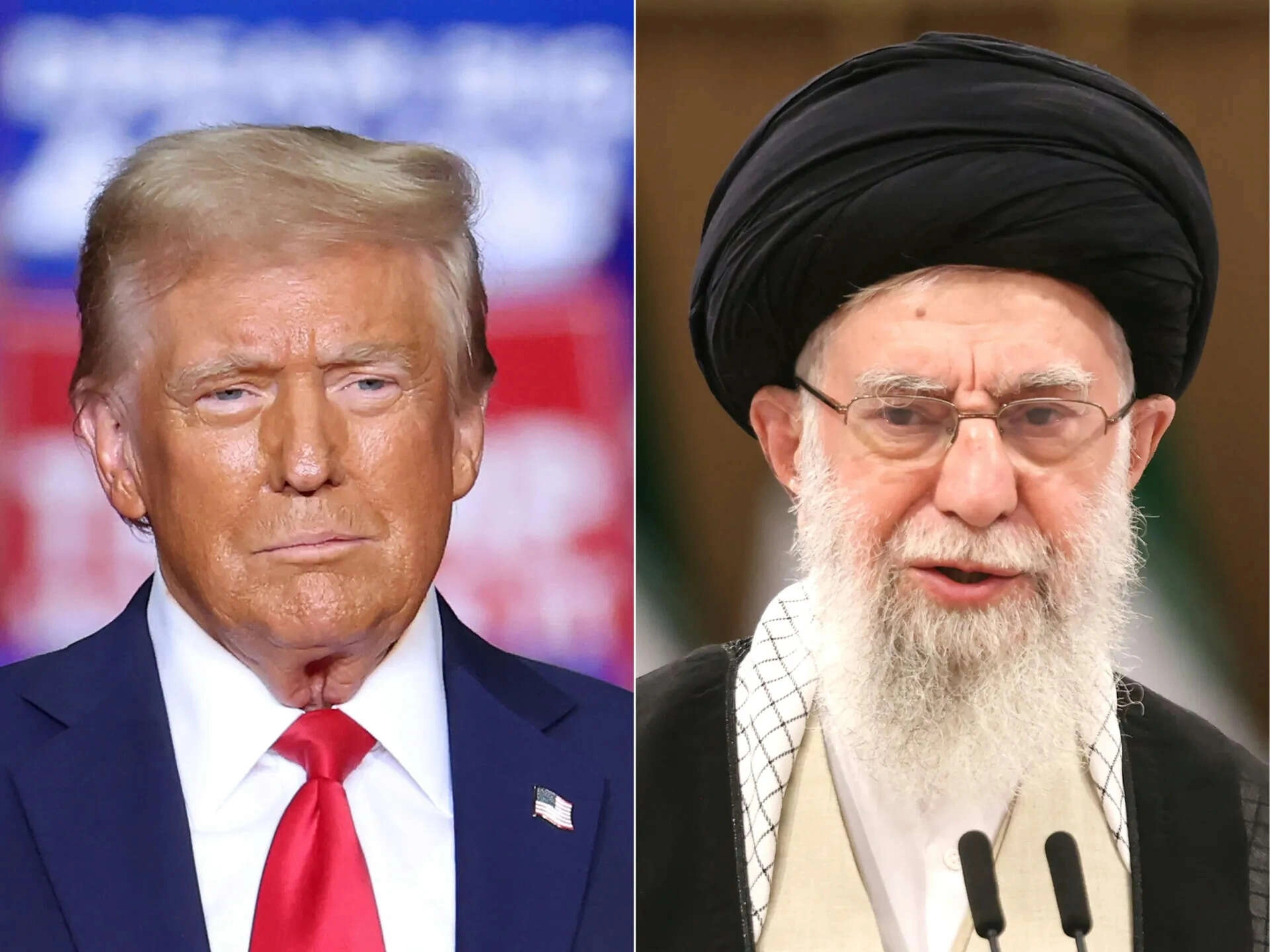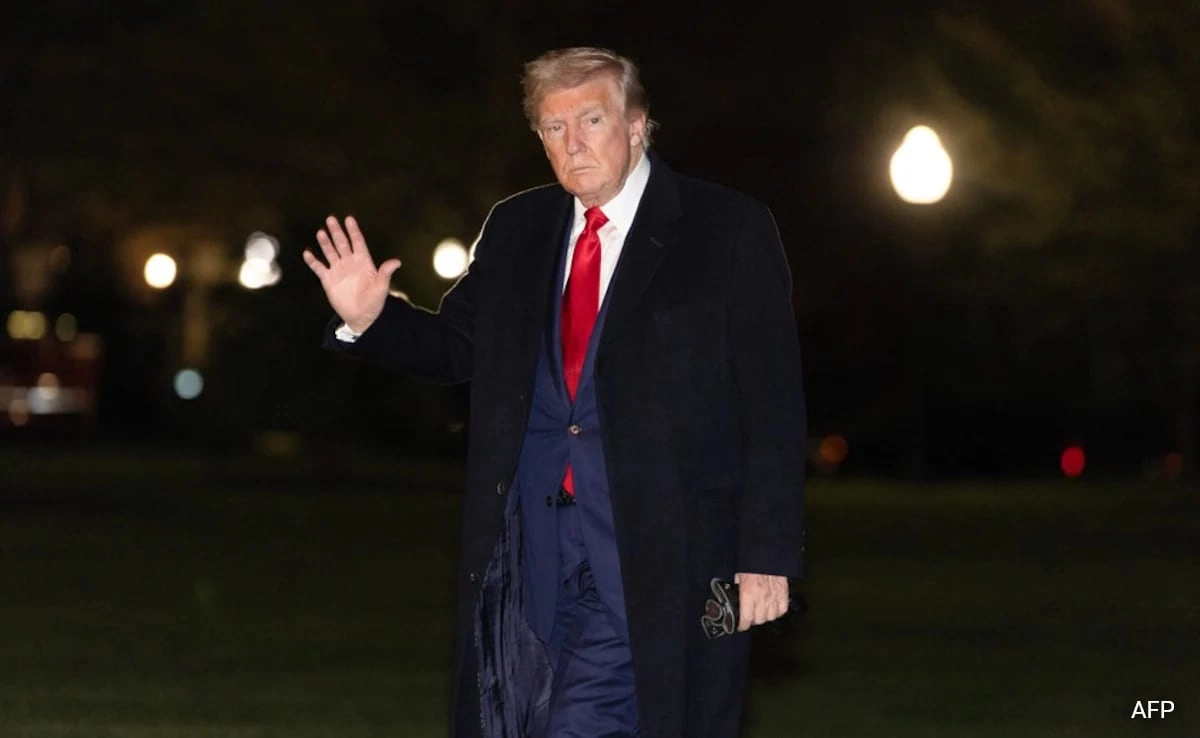
In recent weeks, the U.S. Treasury bonds, long regarded as the bedrock of stability in global finance, appear to be losing their invincibility shield, a shift largely attributed to the influence of former President Donald Trump and his policies. Traditionally viewed as the safest investment, U.S. Treasury bonds have drawn investors seeking a reliable refuge during periods of economic uncertainty. However, the growing skepticism surrounding these bonds reflects a changing global landscape, where the implications of political decisions and fiscal policies are more pronounced than ever.
The Trump administration’s approach, characterized by significant tax cuts and increased government spending, has led to an unprecedented rise in the national debt. This mounting debt, coupled with concerns over inflation and the potential for rising interest rates, has prompted investors to reconsider their confidence in Treasury bonds. The once-reliable shield that Treasury bonds provided is now being challenged as market dynamics shift. The perception of safety that these bonds once held is increasingly questioned, particularly as the nation’s fiscal discipline comes under scrutiny.
Moreover, the recent fluctuations in the bond market signal a broader concern regarding the sustainability of U.S. fiscal policies. Investors are beginning to weigh the risks associated with holding Treasury bonds against the backdrop of potential economic instability. As the Federal Reserve navigates the delicate balance of supporting the economy while controlling inflation, the specter of rising interest rates looms large, further complicating the landscape for Treasury bonds. In this context, the long-standing perception of these bonds as a risk-free investment is increasingly at odds with the emerging reality.
As we move forward, it remains essential for investors and policymakers alike to reevaluate the implications of fiscal policies and their impact on Treasury securities. The challenge lies not only in managing current debt levels but also in restoring confidence in the U.S. government’s ability to uphold its financial obligations. If the trend of skepticism continues, it could have far-reaching consequences for both the domestic and global economy. The invincibility that U.S. Treasury bonds once enjoyed may be in jeopardy, necessitating a critical reassessment of their role in an evolving financial landscape.