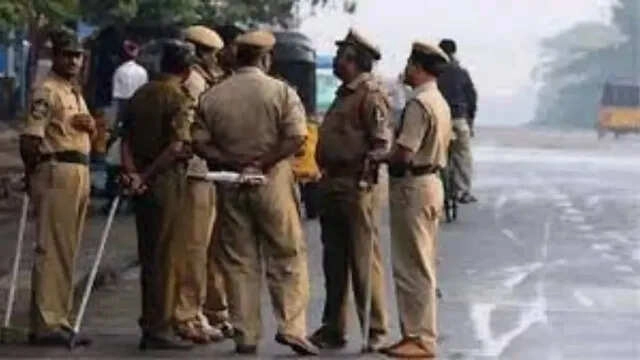
The Bengal elections have brought the issue of border security to the forefront, with political rhetoric intensifying around the perceived threat posed by Bangladeshi criminals. As the elections approach, various political parties are leveraging this topic to bolster their campaigns, highlighting concerns over illegal immigration and cross-border crime as significant issues for voters. The discourse surrounding border security has become a crucial element in shaping public opinion and influencing electoral outcomes.
Candidates from different parties are making bold statements about the implications of unchecked immigration and the potential dangers it poses to local communities. They argue that the influx of criminals from Bangladesh not only threatens law and order but also puts a strain on resources and services. This narrative resonates with many voters who are anxious about safety and security in their neighborhoods. As a result, border security has emerged as a key talking point, driving debates and discussions across various platforms.
Moreover, the political climate in Bengal reflects broader national concerns regarding immigration and security. While some parties advocate for stricter border controls and enhanced surveillance, others argue for a more humanitarian approach, emphasizing the need for empathy and understanding towards those fleeing difficult circumstances. This divergence in viewpoints adds another layer of complexity to the election discourse, as candidates must navigate the fine line between addressing voter concerns and maintaining a compassionate stance on immigration.
Ultimately, border security is not just a campaign issue; it is emblematic of larger societal debates about identity, safety, and the role of government in managing these challenges. As the Bengal elections draw nearer, the focus on this topic is likely to deepen, with politicians seeking to capitalize on public sentiment while attempting to present their vision for a safer and more secure future for the region.