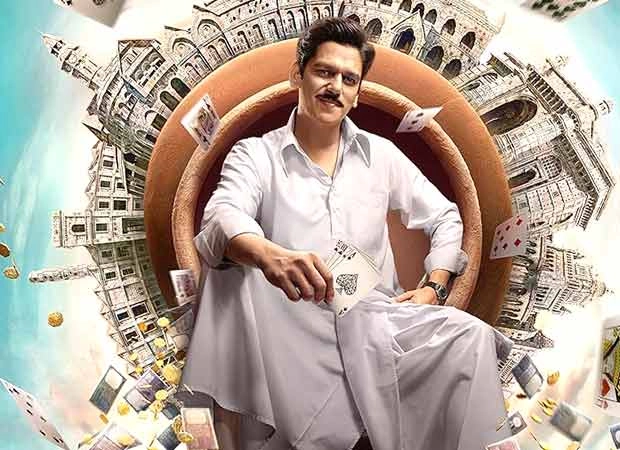
The Bombay High Court has recently denied a request for a stay on the production of the film “Matka King,” which is being produced by Roy Kapur Films. This decision comes amidst ongoing discussions surrounding the film’s subject matter, which revolves around the controversial world of matka gambling, a form of illegal betting that has been prevalent in India for decades. The court’s refusal to grant a stay reflects its position on the freedom of expression in cinema, allowing filmmakers to explore a variety of topics, even those that might evoke strong public sentiment.
Filmmaking often involves navigating complex social issues, and “Matka King” aims to shed light on a subject that has both fascinated and troubled society. The film is expected to delve into the lives of individuals involved in this underground betting scene, portraying the challenges and moral dilemmas they face. The Bombay High Court’s ruling is significant as it underscores the importance of artistic expression in storytelling, particularly when it comes to addressing themes that may be deemed controversial or taboo.
The decision has sparked a range of reactions from various stakeholders, including filmmakers, critics, and audiences. Proponents of the film argue that it provides an opportunity to engage with a subject that is often overlooked, while opponents express concerns about glorifying illegal activities. The court’s stance allows for an open dialogue on the implications of such narratives in popular culture. As the film moves forward in production, it will undoubtedly continue to generate discussions about the ethical boundaries of storytelling in cinema and the responsibilities of filmmakers towards their audience.