The legacy of political leaders often reflects the values and aspirations of their times, and the actions of Karpuri Thakur and Samrat Chaudhary serve as compelling examples of this phenomenon. Karpuri Thakur, a prominent figure in Bihar’s political landscape, was known for his unwavering commitment to social justice and equality. His policies aimed at uplifting marginalized communities and addressing systemic inequalities resonated deeply with the people of his time. Thakur’s initiatives were characterized by a focus on education, employment, and empowerment for the underprivileged, laying the groundwork for a more equitable society.
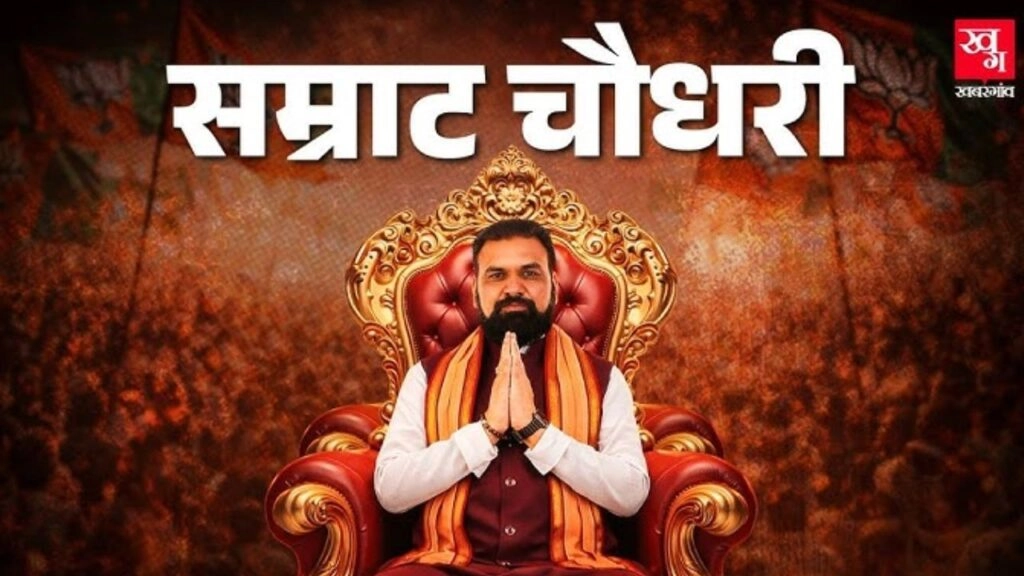
Fast forward five decades, and we find Samrat Chaudhary echoing Thakur’s vision in his own political career. Chaudhary, inspired by Thakur’s legacy, has sought to revive and continue the fight for social justice in contemporary Bihar. His policies reflect a similar commitment to the welfare of disadvantaged groups, emphasizing the need for inclusive development and access to opportunities for all. By drawing on the lessons of the past, Chaudhary aims to address current challenges while honoring the foundational principles established by Thakur.
Both leaders, despite the time gap, share a common thread in their dedication to uplifting the marginalized and fostering a sense of belonging in society. Their approaches highlight the timeless struggle for equality and the importance of leadership that prioritizes the needs of the most vulnerable. As history often demonstrates, the actions of one generation can inspire the next, and the similarities between Karpuri Thakur and Samrat Chaudhary underscore the enduring relevance of their messages. In a world where social disparities persist, their legacies continue to inspire new generations of leaders who strive for a just and equitable society.