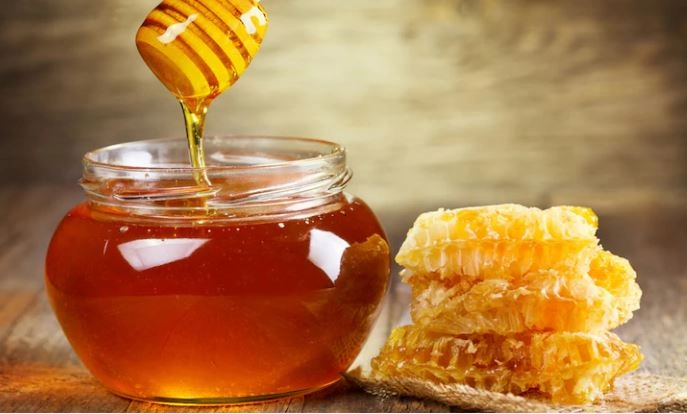
Honey has long been revered not just for its sweet flavor but also for its purported health benefits and remarkable longevity. One of the most popular myths surrounding honey is that it never spoils or goes bad. This idea has been perpetuated by the discovery of ancient pots of honey in Egyptian tombs that are thousands of years old and still perfectly edible. While it is true that honey has a long shelf life due to its unique chemical composition—high acidity, low moisture content, and natural preservatives—it is not entirely accurate to say that it lasts indefinitely in all conditions.
The longevity of honey largely depends on how it is stored. When kept in a cool, dry place and sealed in an airtight container, honey can remain edible for an incredibly long time, potentially even hundreds of years. However, exposure to moisture, heat, and air can lead to fermentation or crystallization, which can alter its flavor and texture. If honey ferments, it can develop an off taste and should not be consumed. Crystallization, on the other hand, is a natural process that occurs when glucose in honey forms solid crystals; it does not render the honey unsafe to eat, and it can easily be restored to its liquid state by gently heating it.
Moreover, while honey can last for a long time, it is essential to note that its quality may diminish over time. Factors such as the type of flowers from which the nectar is sourced, the processing methods, and the storage conditions can all influence the taste and nutritional value of honey. Thus, while honey might not spoil in the traditional sense, it is always best to consume it within a reasonable timeframe to enjoy its optimal flavor and health benefits. Understanding these nuances helps in debunking the myth of honey’s eternal shelf life while still appreciating its impressive longevity.