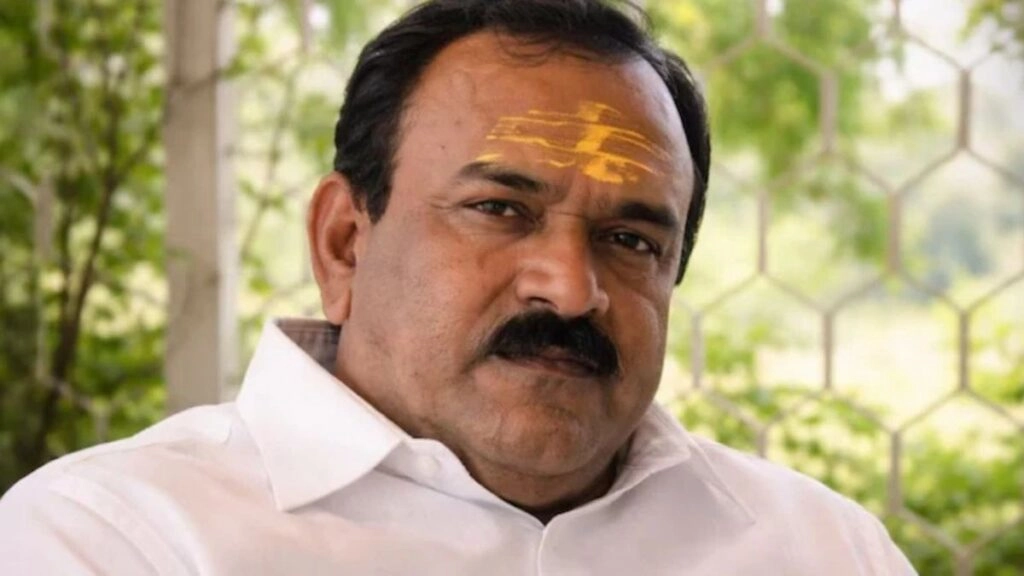
The Ashok Kharat case has sparked considerable controversy, particularly regarding allegations that a self-proclaimed spiritual leader, often referred to as a ‘godman,’ has undue influence over the Maharashtra cabinet. This claim emerged as a significant point of contention among political factions, especially from the opposition parties, who assert that such influence undermines the integrity of the state’s governance. The Nationalist Congress Party (NCP) has responded to these allegations, labeling them as unfounded and politically motivated. They argue that the opposition is attempting to distract from pressing issues by focusing on sensational claims that lack substantive evidence.
The implications of these allegations are profound, as they raise questions about the intersection of spirituality and politics in Maharashtra. The idea that a religious figure could sway governmental decisions not only challenges the principles of secular governance but also suggests a deeper entanglement of faith and political authority. The NCP’s defense emphasizes a commitment to transparent governance, insisting that decisions are made based on democratic principles rather than external influences. This situation underscores the ongoing tensions in Maharashtra’s political landscape, where accusations of corruption and malpractice are common, particularly in a climate marked by intense rivalry among political parties.
As the controversy unfolds, it remains to be seen how this will affect the relationships within the Maharashtra cabinet and the broader political climate in the state. The opposition’s claims could either galvanize their support base or backfire if the allegations are proven baseless. For the NCP, effectively countering these accusations is crucial, as they seek to maintain public trust and demonstrate their dedication to good governance. Ultimately, the Ashok Kharat case serves as a reminder of the complexities at the intersection of religion and politics, and how such dynamics can shape public perception and electoral outcomes in Maharashtra.