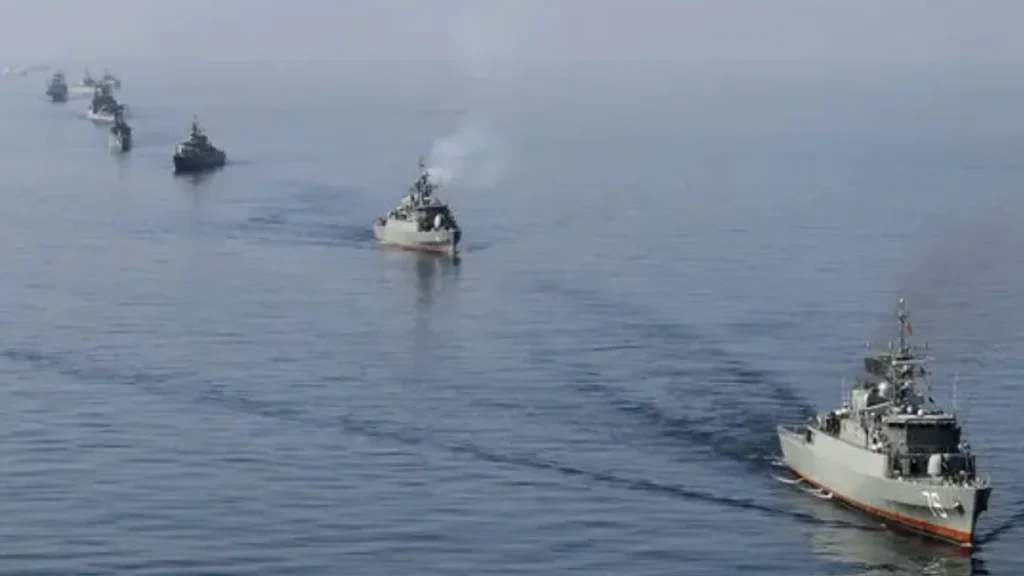
Iran is considering a temporary suspension of shipping in the strategic Strait of Hormuz as a means to safeguard its delicate diplomatic negotiations. The Strait of Hormuz is a crucial maritime corridor through which a significant portion of the world’s oil supply is transported, making any disruption in this area a matter of profound global concern. The Iranian government is reportedly weighing the implications of such a move, which could be seen as an aggressive stance in the ongoing tensions with Western nations, particularly the United States.
The backdrop of these deliberations is the complex web of international relations surrounding Iran, especially regarding its nuclear program and regional influence. As diplomatic discussions continue, Iran appears to be seeking a balance between demonstrating its resolve and maintaining open lines of communication with other nations. The potential halt in shipping activities could be a strategic maneuver aimed at leveraging Iran’s position in negotiations, signaling that while it is open to dialogue, it is also prepared to take significant actions to protect its interests.
This consideration is particularly significant given the heightened military presence in the region and ongoing sanctions that have strained Iran’s economy. Experts suggest that any disruption in the Strait of Hormuz could escalate tensions further, leading to increased military confrontations or economic repercussions. The international community is closely monitoring Iran’s decisions, as any instability in this key shipping route could have far-reaching effects on global oil prices and supply chains.
In conclusion, Iran’s contemplation of a temporary halt in shipping through the Strait of Hormuz underscores the intricate balance the nation is attempting to maintain amid fragile diplomatic dialogues. As the situation unfolds, the outcomes of these deliberations will be critical not only for Iran but also for the broader geopolitical landscape, affecting relations with Western countries and the global economy at large.