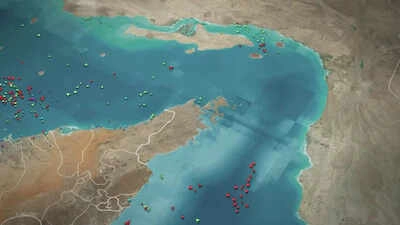
Amid the American blockade, a Chinese tanker has successfully entered the Strait of Hormuz, a crucial waterway for global oil transportation. This significant movement comes at a time when tensions are high in the region, particularly between Iran and the United States. The Strait of Hormuz is strategically important, as it connects the Persian Gulf with the Gulf of Oman and the Arabian Sea, making it a vital corridor for oil exports from several countries, including Iran. The presence of a Chinese tanker in this area could signal a shift in economic alliances or an attempt by China to strengthen its energy security amidst geopolitical tensions.
Furthermore, the ongoing negotiations between Iran and the United States regarding the nuclear deal have faced numerous challenges and setbacks. Reports indicate that these talks have stalled, primarily due to conflicting demands and a lack of trust between the two nations. The current geopolitical landscape complicates these negotiations, as both countries navigate their respective interests and regional dynamics. The entry of the Chinese tanker might also reflect China’s growing influence in the Middle East, as it seeks to secure energy resources to fuel its expanding economy.
The situation raises questions about the future of international relations in the region, especially with the backdrop of the American blockade. As China continues to assert its presence, the United States may need to reassess its strategies and relationships with both Iran and its allies. The interplay of these factors could lead to a reconfiguration of power dynamics in the Middle East, significantly impacting global energy markets and political alliances. It remains to be seen how these developments will unfold, but the implications are likely to be far-reaching and will require careful monitoring by international observers.