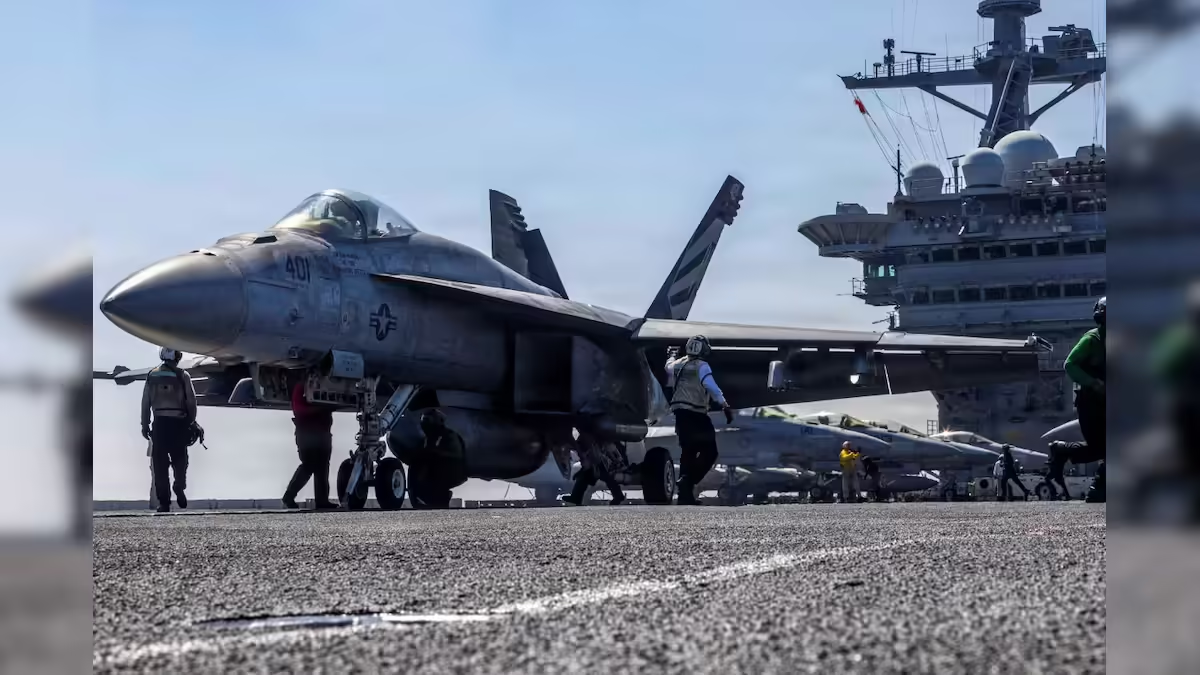
The ongoing tensions between the United States and Iran have escalated significantly, leading to a notable increase in military activities in the region. American fighter jets, particularly the advanced F-35B, have been deployed to conduct rigorous surveillance operations over the strategic Strait of Hormuz and various Iranian ports. This action underscores the heightened vigilance of the U.S. military in response to perceived threats from Iran, especially concerning its naval capabilities and potential disruptions to maritime trade routes.
The Strait of Hormuz, a critical chokepoint for global oil shipments, has been a focal point of U.S. military strategy. The presence of F-35B jets, known for their stealth capabilities and advanced technology, allows for real-time intelligence gathering and rapid response to any aggressive maneuvers by Iranian forces. This deployment is not merely a show of strength; it reflects the U.S. commitment to maintaining freedom of navigation in the region, which is vital for international trade and energy security.
Moreover, the monitoring of Iranian ports is a strategic move to counteract any illicit activities that might be taking place, including arms smuggling or the preparation of naval vessels for aggressive actions. The U.S. military aims to deter any potential threats from Iran that could destabilize the region further. As both nations continue to engage in verbal hostilities and military posturing, the situation remains precarious, with the potential for miscalculations that could lead to broader conflict. The deployment of F-35B jets is a clear message to Iran that the U.S. is prepared to defend its interests and those of its allies in the face of increasing provocations.