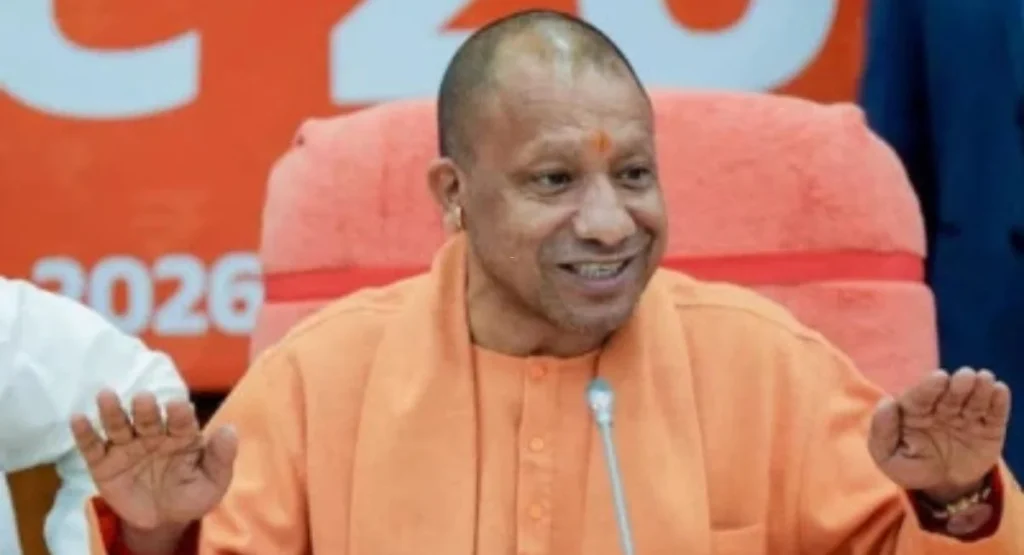
The landscape of government procurement underwent a significant transformation due to a single, pivotal decision made by the Yogi government. This change not only redefined how procurement processes were approached but also led to substantial financial savings. In an era where transparency and efficiency in government spending are increasingly crucial, this decision has become a benchmark for other states and governments to consider.
The Yogi government implemented a series of reforms aimed at streamlining procurement procedures, which helped to eliminate corruption and inefficiencies that often plagued such processes. By adopting a more transparent and competitive bidding system, the government was able to ensure that resources were allocated more effectively. This resulted in a staggering saving of 9,700 crores, demonstrating that thoughtful reforms can yield significant fiscal benefits.
Moreover, this decision has had a ripple effect, inspiring other governmental bodies to rethink their procurement strategies. The focus on accountability and cost-effectiveness has set a new standard, encouraging other administrations to follow suit. The financial savings achieved not only bolster the state’s economy but also enhance public trust in government operations. As more states look to adopt similar measures, the Yogi government’s initiative could very well serve as a model for reform in public procurement practices across the country.
In conclusion, the Yogi government’s decision to revamp procurement processes has not only saved a remarkable amount of money but has also established a precedent for transparency and efficiency in governance. This shift is a clear indication that with the right policies in place, governments can manage their resources more wisely, ultimately benefiting the public and the economy at large.