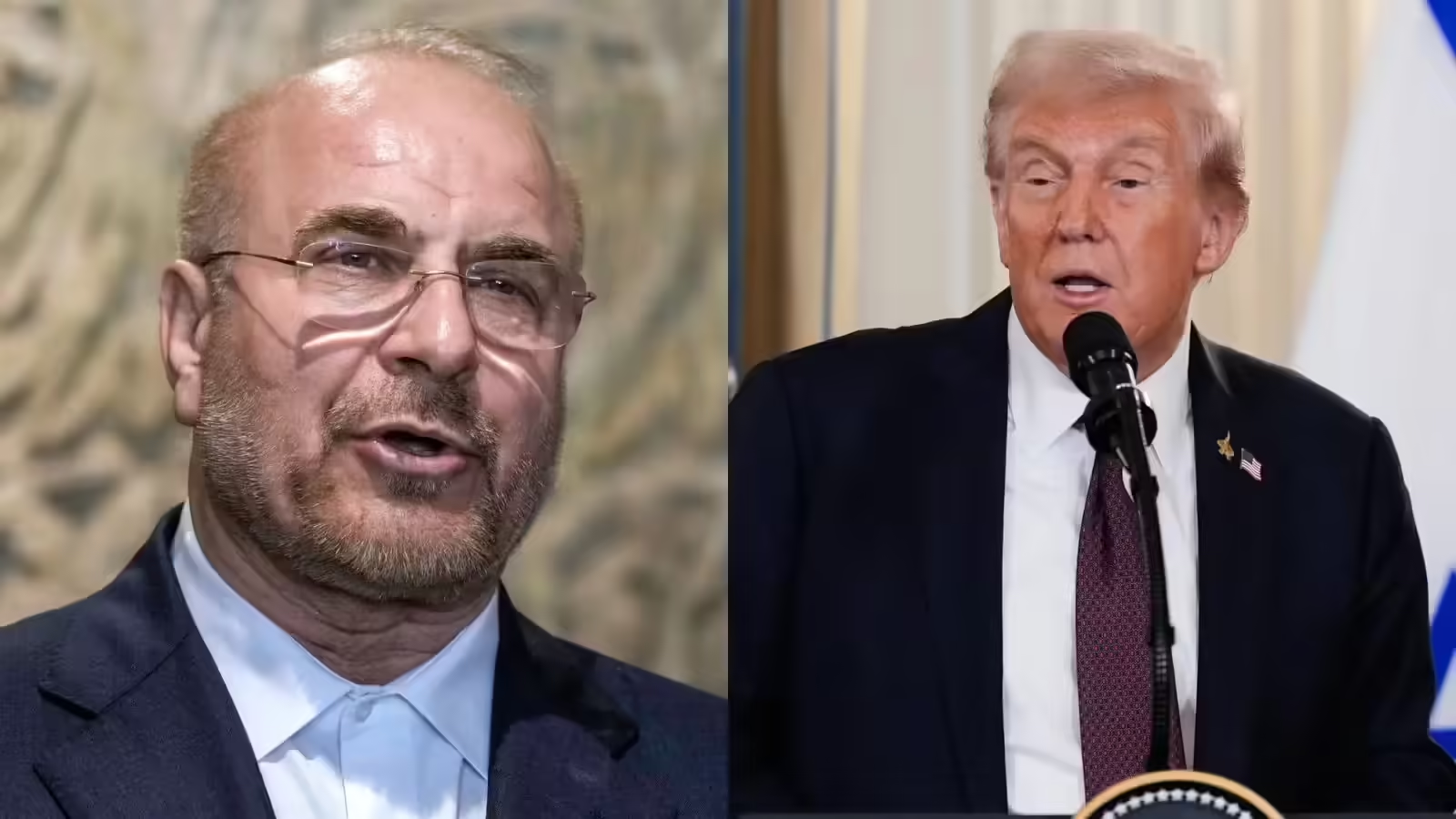
The recent escalation of tensions has taken a dramatic turn following a threatening statement from former U.S. President Donald Trump, who ominously declared, “Everything will burn.” This proclamation has sent shockwaves through the geopolitical landscape, prompting responses from various global leaders. Notably, Iranian Foreign Minister Hossein Amir-Abdollahian has issued a stern warning in the wake of Trump’s comments, indicating that the situation could deteriorate further. His remarks suggest a looming possibility of intensified conflict, raising concerns about the potential for a wider war.
Amir-Abdollahian’s warning underscores the volatility of the current geopolitical climate, where rhetoric can quickly translate into action. The implications of Trump’s statements are significant, as they may embolden hardline factions within Iran and other nations that feel threatened by U.S. policies. The specter of war hangs heavily over the region, as nations assess their military readiness and alliances in anticipation of possible escalations. The interconnectedness of global politics means that what starts as a verbal confrontation could easily spiral into armed conflict, affecting not only the nations directly involved but also global stability.
As the world watches these developments unfold, the urgency for diplomatic dialogue becomes clear. Leaders must navigate this precarious situation with caution to avoid a catastrophic escalation. It is crucial for international actors to come together to address the underlying issues at play, seeking peaceful resolutions rather than succumbing to the temptation of military action. The stakes are high, and the consequences of miscalculation could be dire, making it imperative for all parties to engage in constructive discussions to avert disaster.