Israel has claimed that it has targeted 120 locations in Iran as part of its ongoing military operations. This announcement has intensified the already strained relations between the two nations, which have been at odds for decades. The Israeli government has stated that these strikes were necessary to protect its national security and prevent Iran from expanding its military capabilities, particularly in light of Tehran’s nuclear ambitions.
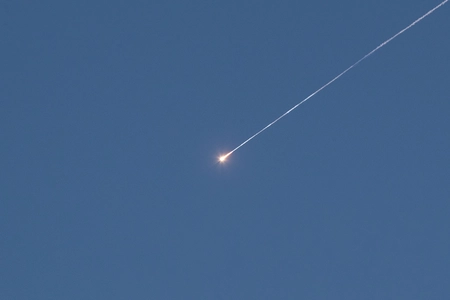
In response, Tehran has released images purportedly showing the downing of a U.S. aircraft, asserting that it successfully intercepted an American drone during these alleged confrontations. This claim highlights the ongoing tensions not only between Israel and Iran but also implicates the United States in the regional conflict. Iranian officials have emphasized their commitment to defending their sovereignty and deterring foreign aggression, which they claim has been escalating due to Israeli actions.
The situation is further complicated by the broader geopolitical dynamics in the Middle East, where alliances and enmities shift frequently. As both Israel and Iran prepare for potential further escalation, the international community watches closely, concerned about the implications for regional stability and the possibility of a larger conflict. Diplomatic efforts to de-escalate tensions are crucial at this juncture, as the stakes continue to rise with each military engagement between these adversarial nations.