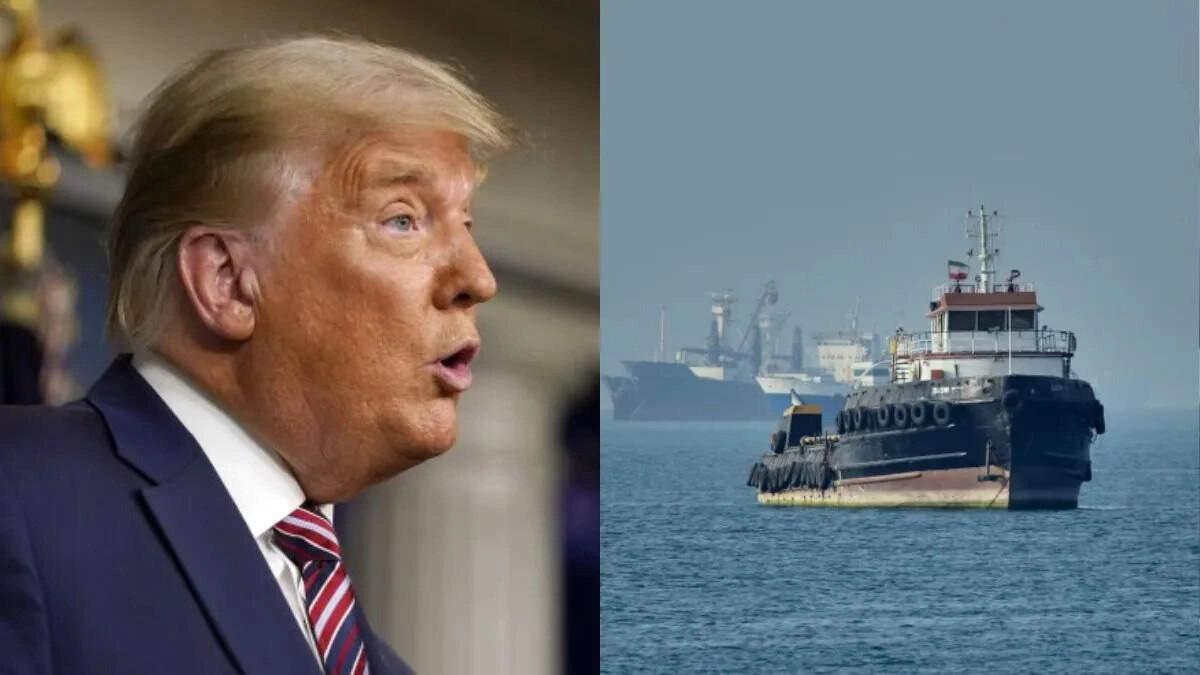
As the conflict in Iran surpasses the 40-day mark, significant concerns are emerging regarding its impact on global food prices. According to a recent warning from The Economist, the ongoing war has led to an increase in food prices, reaching a six-month high. This surge is particularly alarming for nations and communities already grappling with food insecurity. The ripple effects of such a conflict can destabilize not only the region but also global markets, affecting supply chains and leading to increased costs for consumers worldwide.
The situation is exacerbated by the fact that Iran is a crucial player in the global agricultural sector, especially in the production and export of essential commodities. Disruptions in its operations due to the ongoing war could lead to shortages and heightened competition for food resources, pushing prices even higher. Economists fear that if the conflict continues without resolution, it may lead to a prolonged period of elevated food costs, which could further strain economies already burdened by inflation and supply chain issues.
Furthermore, the geopolitical implications of a sustained conflict cannot be overlooked. Countries that rely heavily on imports from Iran may have to seek alternative sources, which could be more expensive and less reliable. This shift not only impacts food prices but also poses risks to trade relationships and international cooperation. The call for immediate attention and resolution of the conflict is more urgent than ever, as the consequences of inaction could lead to a global food crisis, affecting millions of people around the world.