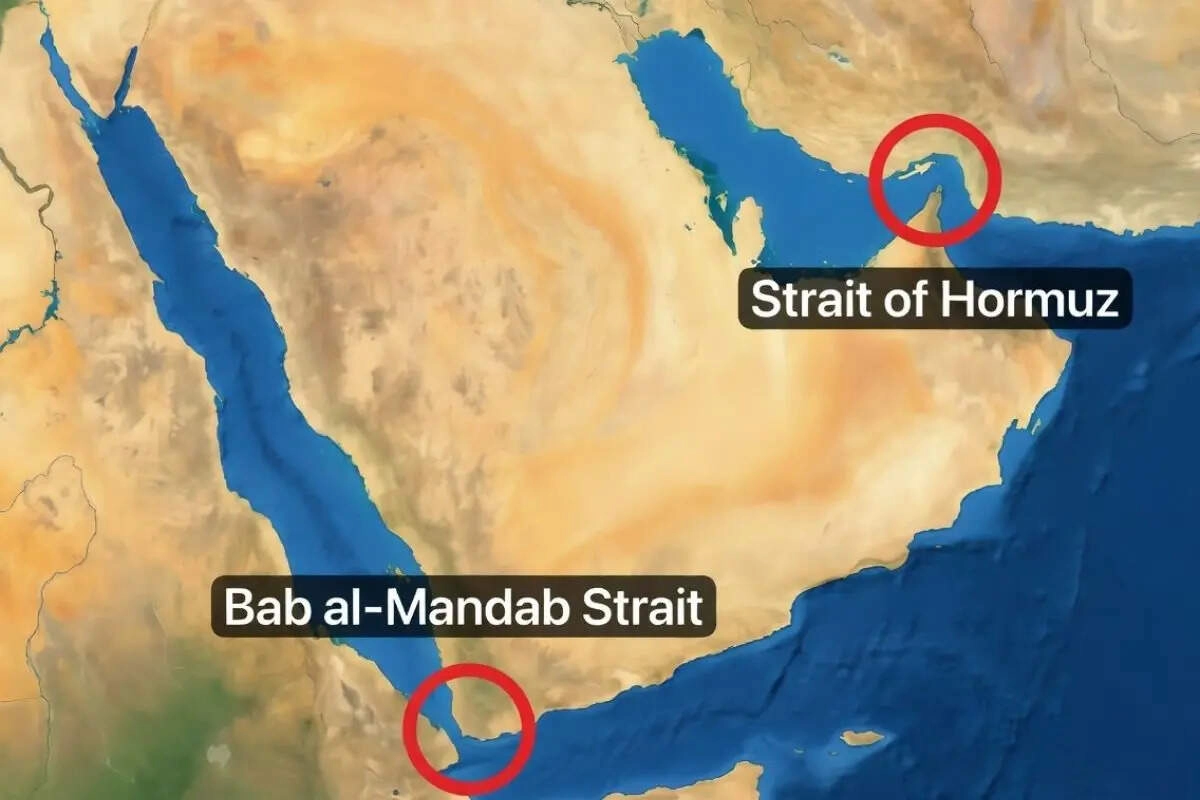
Iran has recently shifted its focus from the Strait of Hormuz to the Bab-el-Mandeb Strait, raising concerns about potential disruptions to global trade. The Bab-el-Mandeb Strait, located between the Arabian Peninsula and the Horn of Africa, is a crucial maritime passage that connects the Red Sea to the Gulf of Aden and the Arabian Sea. This strait is vital for international shipping, as it serves as a key route for oil and goods moving between Europe, Asia, and the Americas. With Iran’s increasing military presence and strategic maneuvers in this region, there is a growing fear that it could jeopardize the stability of global trade networks.
The Strait of Hormuz has long been a flashpoint for tensions, given that it is the world’s most critical chokepoint for oil shipments. However, Iran’s recent actions suggest a broader strategy aimed at extending its influence in other significant maritime areas, such as Bab-el-Mandeb. This shift in focus may be an attempt to exert pressure on nations that rely heavily on maritime trade routes, particularly those that import oil and natural gas. If Iran were to escalate its military operations or obstruct shipping in this area, the impact on global trade could be severe, potentially leading to increased shipping costs and delays, as well as a rise in global oil prices.
Furthermore, the implications of Iran’s maneuvers extend beyond just economic concerns. Such actions could provoke military responses from countries that have vested interests in maintaining open and secure maritime trade routes. The presence of international naval forces in the region could lead to an escalation of tensions, resulting in confrontations at sea. This scenario raises the question of whether global trade is on the brink of significant disruption, as nations grapple with the consequences of Iran’s strategic positioning in key maritime corridors. The international community must closely monitor these developments, as the stakes are high not only for regional stability but also for the health of the global economy.