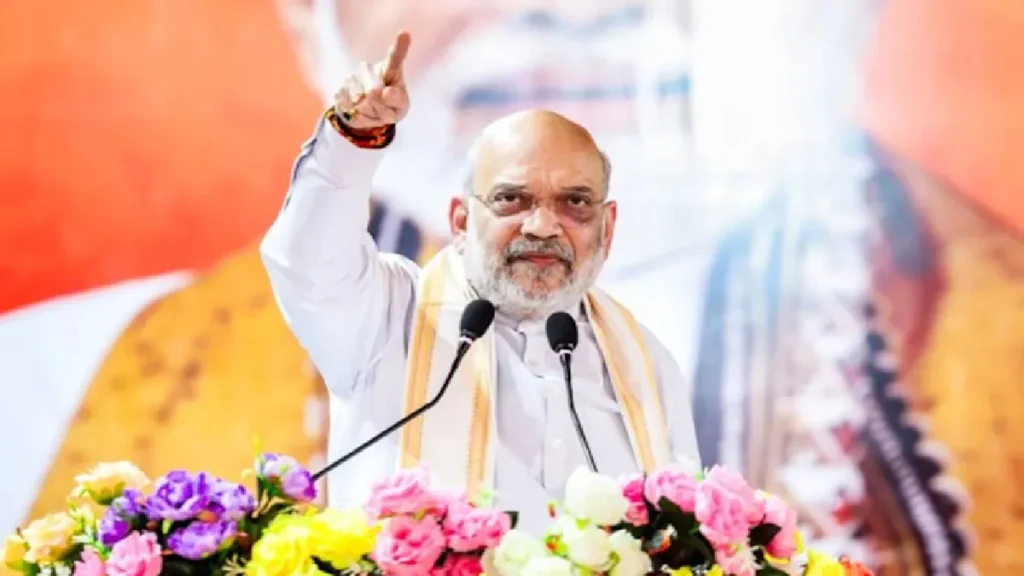
The state of Assam is set to introduce the Uniform Civil Code (UCC), a significant legislative measure aimed at standardizing personal laws across various communities. One of the key provisions of the UCC will be the prohibition of polygamy, specifically banning individuals from marrying more than one spouse, thereby limiting the practice to a single marriage. This move is seen as an effort to address social issues related to marriage and family structures, ensuring that all citizens are subjected to the same legal framework regardless of their religious or cultural background.
In addition to its focus on marriage laws, the introduction of the UCC is also intertwined with political dynamics in the region. The ruling party has taken the opportunity to criticize the opposition, particularly the Congress party, regarding issues related to illegal immigration and infiltration. This political discourse underscores a broader narrative surrounding national identity and security, as the government seeks to frame the UCC as part of a larger agenda to protect cultural integrity and uphold the rule of law within Assam.
The implementation of the Uniform Civil Code in Assam is likely to spark debates on various fronts, including human rights, gender equality, and religious freedoms. Proponents argue that a uniform set of laws will promote fairness and equality among citizens, while critics may raise concerns about the potential erosion of cultural and religious practices. As discussions unfold, it will be essential for stakeholders to engage in constructive dialogue to address these complexities and ensure that the UCC is applied in a manner that respects the diverse fabric of society.
Overall, the introduction of the UCC in Assam marks a pivotal moment in the state’s legal landscape, aiming to modernize personal laws while also serving as a platform for political discourse. As the government moves forward with this initiative, the implications for marriage practices and political relations will be closely monitored, with the potential to reshape societal norms and governance in the region.