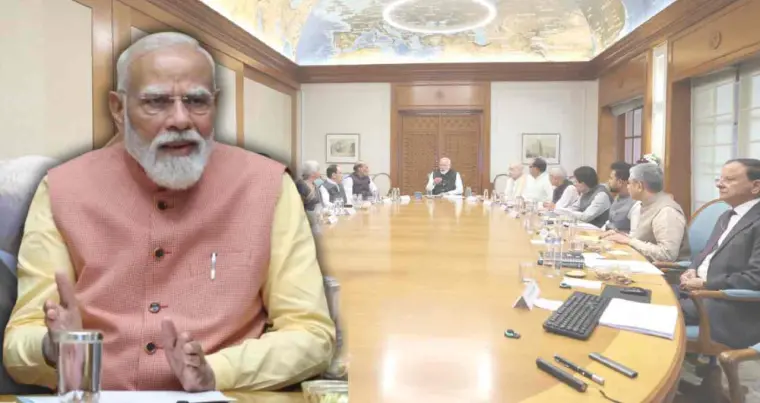
In a recent meeting of the Cabinet Committee on Security (CCS) in India, officials evaluated the implications of the ongoing conflict in West Asia on the country’s energy, food, and economic security. This gathering was particularly critical as tensions in the region can significantly affect global markets, including those for oil and agricultural products, which are vital for India’s economy. The CCS, comprising senior members of the government including the Prime Minister, discussed strategies to mitigate potential disruptions stemming from the conflict, emphasizing the need for preparedness in the face of international uncertainties.
The meeting highlighted the direct correlation between geopolitical stability and energy security, given that India is heavily reliant on imports for its oil supplies. With West Asia being a major source of crude oil for India, fluctuations in oil prices due to regional conflicts could have cascading effects on domestic inflation and overall economic stability. Consequently, the government is exploring various options to diversify its energy sources and enhance domestic production capabilities, thereby reducing dependence on external suppliers.
Additionally, the CCS addressed potential risks to food security that may arise from the conflict. West Asia is a critical region for global agricultural trade, and disruptions in supply chains could lead to increased prices for essential commodities in India. The government is considering measures to ensure adequate stockpiles of food grains and is assessing the need for strategic imports from alternative sources to counter any adverse effects on food availability and pricing.
The meeting concluded with a call for a coordinated response across different sectors to safeguard India’s interests in light of the evolving situation in West Asia. Officials emphasized the importance of maintaining diplomatic channels and engaging with international partners to ensure stability in trade relations. As the conflict continues to unfold, India remains vigilant, prepared to adapt its policies to protect its energy, food, and economic security from external shocks.