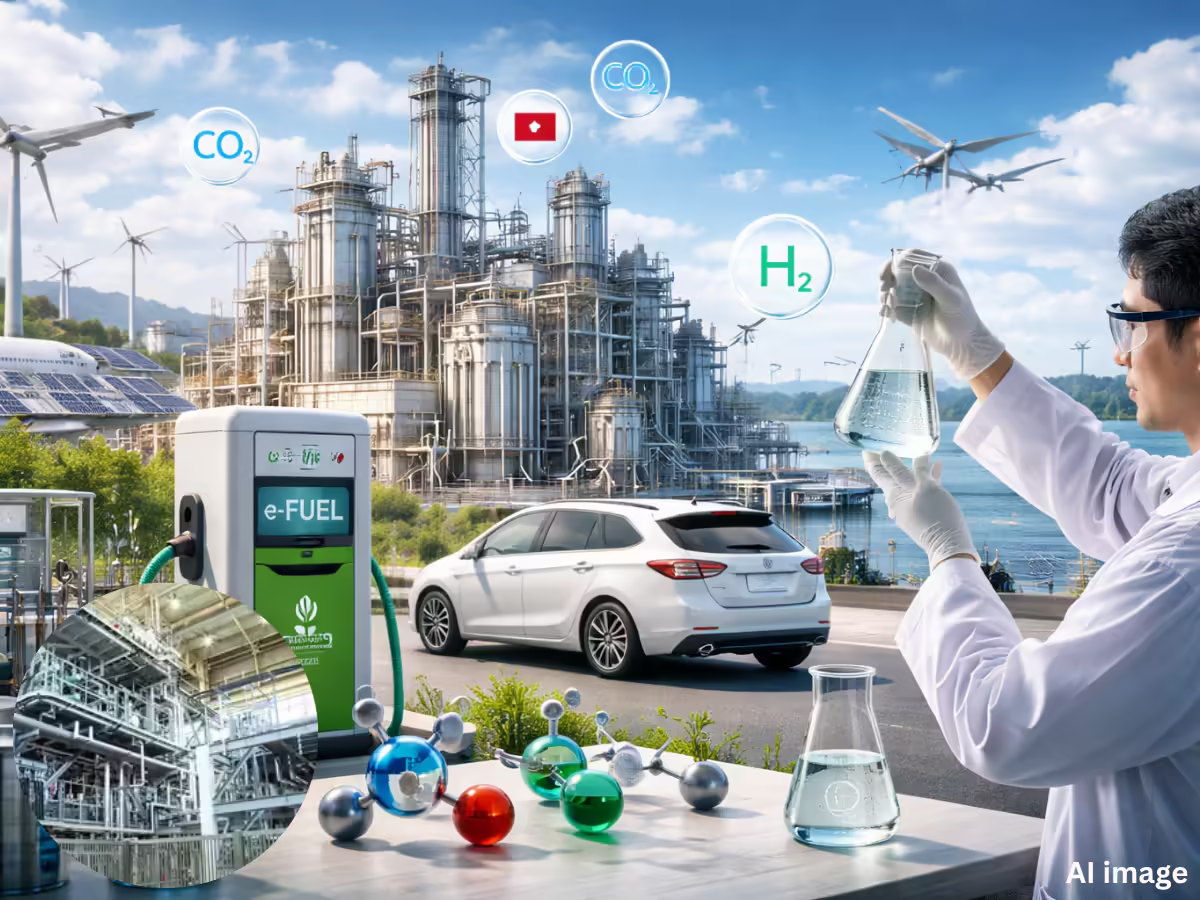
A groundbreaking project aimed at creating petrol from air has recently achieved success, but it has also faced an unexpected setback due to a ban imposed by Japan. This innovative technology, which converts carbon dioxide from the atmosphere into usable fuel, holds the potential to revolutionize the energy sector and significantly reduce greenhouse gas emissions. The process involves capturing carbon dioxide and using it to synthesize hydrocarbons, which can then be refined into petrol. Such advancements could play a critical role in addressing climate change, as they offer a sustainable alternative to fossil fuels.
However, Japan’s decision to halt the project has raised eyebrows and prompted discussions regarding the implications of this technology. While the exact reasons for the ban have not been fully disclosed, it is speculated that concerns over environmental safety, economic viability, or potential disruptions to existing energy markets may have influenced this decision. Japan, being a country highly dependent on energy imports, is particularly cautious about any developments that could impact its energy security and economic stability.
Moreover, the technology’s implementation could pose challenges related to scalability and infrastructure. The initial success of creating petrol from air does not guarantee that it can be produced on a large scale or that it can compete with traditional fuel sources economically. The Japanese government may be weighing these factors carefully, opting to pause the project until a more comprehensive assessment can be conducted. As the world grapples with the urgent need to transition to cleaner energy sources, such developments underscore the complexities involved in balancing innovation with practical considerations.
In conclusion, while the project of producing petrol from air has demonstrated remarkable potential, its future remains uncertain, particularly in light of Japan’s recent intervention. The situation highlights the ongoing challenges faced by cutting-edge technologies in the energy sector, as they navigate regulatory landscapes and market dynamics. As discussions continue, stakeholders will need to address these concerns to ensure that sustainable solutions can be integrated into the global energy framework effectively.