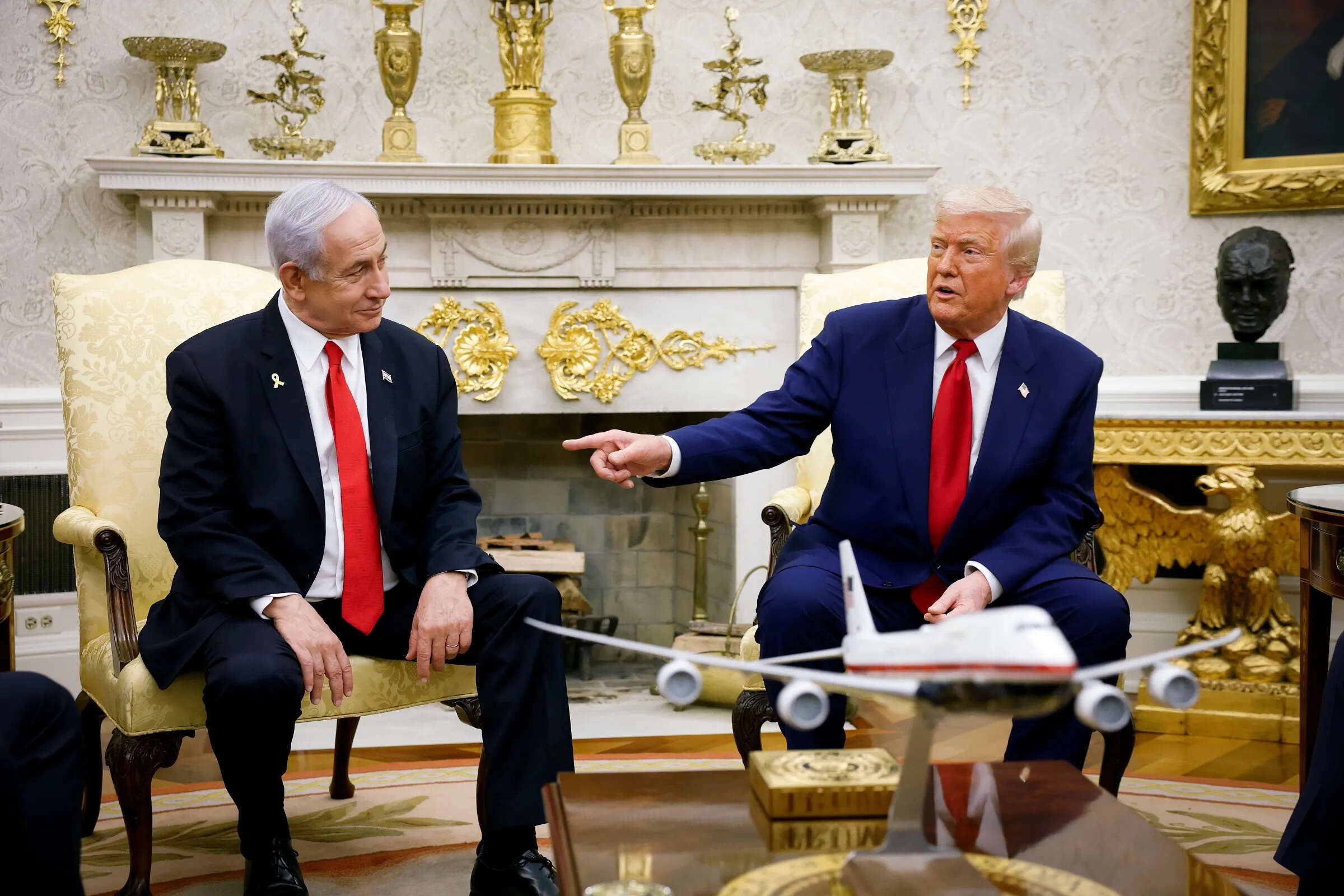
The recent month has seen a significant escalation in conflict, leaving prominent leaders such as Donald Trump and Benjamin Netanyahu feeling isolated amidst a backdrop of global turmoil. As tensions flare and violence erupts in various regions, both leaders have found themselves without the expected support from their usual allies and partners. This period of conflict has highlighted the fragility of international alliances and the shifting dynamics of global politics, where traditional relationships may no longer hold the same weight.
Trump, with his unique approach to foreign policy, and Netanyahu, facing challenges in the Middle East, have both sought assistance and solidarity from other global leaders. However, their calls for support have largely gone unanswered, revealing a stark reality: the world is increasingly reluctant to engage in conflicts that do not directly affect their national interests. This isolation is particularly striking given the historical context of U.S.-Israeli relations, where both nations have typically relied on a network of allies to bolster their positions on the international stage.
Moreover, the lack of support has raised questions about the future of diplomacy in an increasingly polarized world. As nations prioritize their own agendas, the ability to forge coalitions and work collaboratively to address global issues seems to diminish. The repercussions of this isolation extend beyond the immediate conflict, potentially reshaping alliances and altering the balance of power in international relations. As the situation continues to evolve, it remains to be seen how Trump and Netanyahu will navigate this challenging landscape, and whether they can find new avenues for support amidst growing global skepticism.