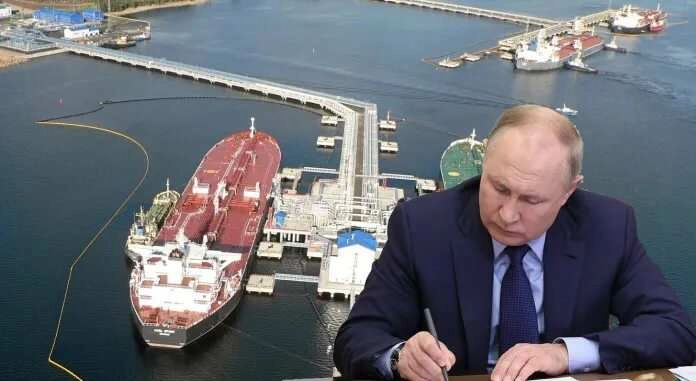
Russia has announced a significant decision to halt petrol exports for four months starting from April 1. This move is expected to have widespread implications not only within Russia but also for countries that rely heavily on its oil exports, including India and various others around the globe. The ban is primarily aimed at stabilizing domestic fuel prices, which have been under pressure due to global market fluctuations and rising demand.
For India, which has been one of the major importers of Russian oil, this export ban could lead to increased fuel prices as the country may have to seek alternative sources to meet its energy demands. The Indian government has been trying to manage inflation and ensure energy security; hence, this development poses a challenge. The country may need to turn to other oil-producing nations or explore strategic reserves to mitigate the impact of the loss of Russian petrol.
Other countries that have also relied on Russian petrol are likely to experience fuel shortages, leading to a potential spike in global oil prices. This could create a ripple effect in the energy markets, affecting various sectors and driving up costs for consumers. Nations will need to adapt quickly to this unexpected turn of events, possibly leading to strategic partnerships and new trade agreements with other oil-producing countries to fill the gap left by Russian exports.
Overall, Russia’s decision to suspend petrol exports for four months is set to create significant challenges and uncertainties in the global oil market. Countries will need to navigate these changes carefully to ensure energy stability and economic balance in the face of rising fuel costs and potential shortages.