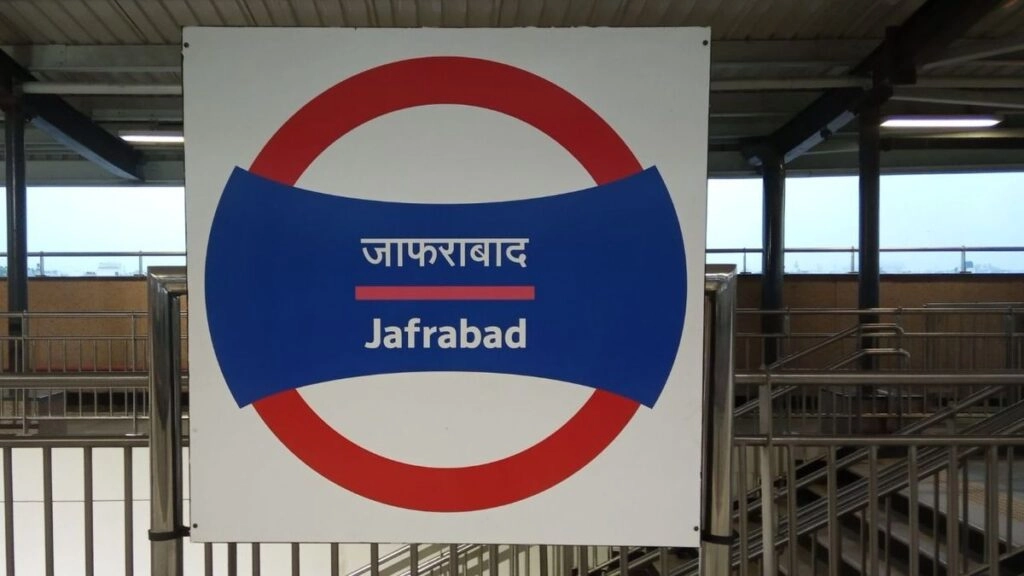
The recent explosion at the Jaffrabad metro station in Delhi has sparked significant concern and unrest among the public. Initial reports indicated that the blast might have been a result of an accident or a malfunction, but investigations have revealed a more complex and alarming situation. Authorities are now looking into the possibility that the explosion was linked to a deliberate act, raising fears about safety and security in the city’s transportation systems.
Witnesses described a scene of chaos and panic following the blast, with commuters rushing to evacuate the station and emergency services quickly responding to the incident. The sound of the explosion echoed throughout the underground facility, creating a sense of urgency and fear. As more details emerged, it became clear that the situation was being treated as a potential security threat, with officials working diligently to assess the damage and determine the motivations behind the attack.
In the wake of the explosion, security has been heightened across the metro system, and investigations are ongoing to identify those responsible. The blast not only caused physical damage but also psychological distress among the daily commuters who rely on the metro for transportation. As authorities continue to probe the incident, the community is left grappling with the implications of such an attack on public safety and the broader question of security in urban environments.
The incident at Jaffrabad has ignited discussions about the need for improved safety measures and preparedness in public transport systems. Citizens are calling for increased vigilance and better emergency response protocols to prevent such incidents from occurring in the future. As the investigation unfolds, the hope is that the culprits will be brought to justice and that measures will be put in place to ensure the safety of all commuters in the bustling city of Delhi.