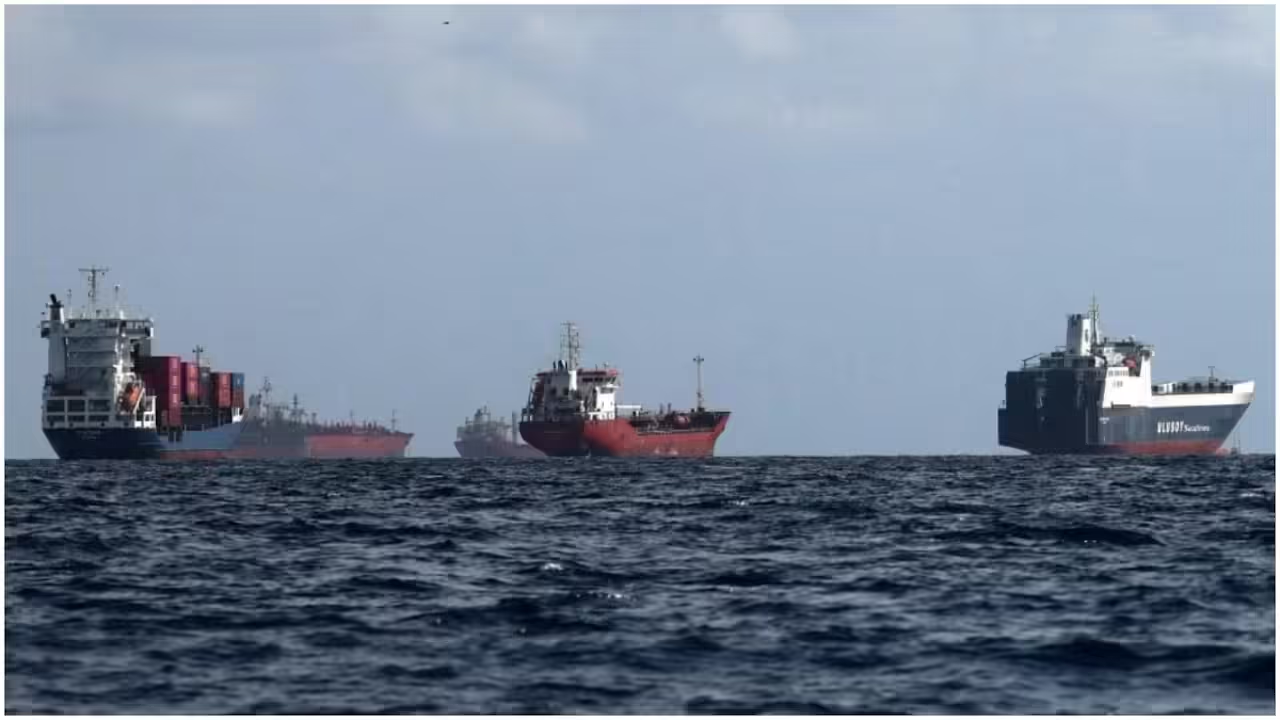
The situation concerning oil supply is becoming increasingly critical as Iran prepares to impose tolls on the Strait of Hormuz, a vital waterway for global oil transportation. This development raises significant concerns regarding the stability of oil imports for countries that rely heavily on this route, including India. The Strait of Hormuz is strategically important as it connects the Persian Gulf to the Gulf of Oman, with about one-fifth of the world’s oil passing through it. Any disruption in this area can have far-reaching implications for the global oil market.
India, being one of the largest importers of crude oil, primarily sources a significant portion of its oil from the Middle East, with Iran being a key supplier. The planned tolls by Iran could lead to increased shipping costs, which in turn would likely result in higher crude oil prices in international markets. This price hike could strain India’s economy, affecting fuel prices domestically and potentially leading to inflationary pressures. The Indian government may need to explore alternative sources or strategies to mitigate the impact of these changes on its energy security.
Moreover, the geopolitical dynamics in the region will also play a crucial role in determining the future of oil imports for India. As tensions rise with the imposition of tolls, there is a possibility that other nations may respond with countermeasures, resulting in an unstable situation that could further complicate oil supply chains. Therefore, it is essential for India to monitor these developments closely and engage in diplomatic efforts to secure its energy interests while also considering diversification of its oil import sources to reduce dependence on any single region.