The Bengal Election Survey Report reveals significant political dynamics shaping the landscape of West Bengal. The findings indicate a noteworthy surge for the Bharatiya Janata Party (BJP) in the northern regions of the state. This shift suggests a growing acceptance of the party among voters traditionally aligned with other political factions. The BJP’s strategies, including focused outreach and targeted campaigns, appear to resonate well with the electorate in these areas, potentially altering the political balance in forthcoming elections.
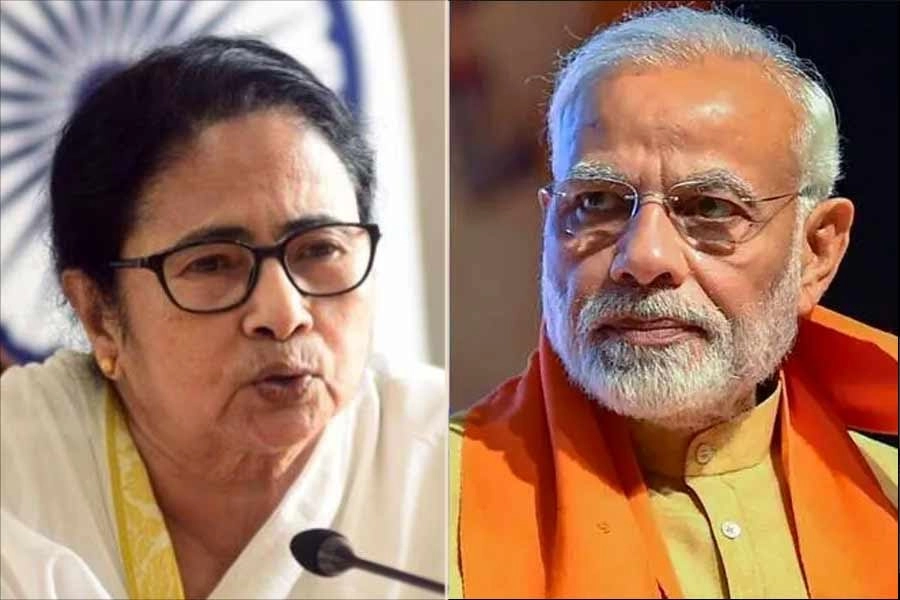
Conversely, the report underscores the Trinamool Congress’s (TMC) enduring dominance in the southern parts of West Bengal. The TMC, led by Chief Minister Mamata Banerjee, has managed to maintain a stronghold over this region, reflecting the party’s robust grassroots network and the effectiveness of its welfare schemes. Voter loyalty in the south remains high, indicating that the TMC’s local governance and community engagement initiatives have significantly influenced public opinion.
The contrasting trends between the north and south of West Bengal highlight a complex political landscape marked by regional disparities. As the BJP gains traction in the north, the TMC’s ability to consolidate its support base in the south will be crucial for both parties as they prepare for future electoral contests. This polarization of political support could lead to heightened competition and strategic maneuvers as each party seeks to expand its influence, making the upcoming elections a pivotal moment in the state’s political history.
In summary, the Bengal Election Survey Report paints a vivid picture of an evolving electoral battleground, characterized by the BJP’s ascendance in the north and the TMC’s strong presence in the south. The implications of these trends will be closely monitored as West Bengal approaches its next elections, with both parties likely recalibrating their strategies to respond to the changing sentiments of the electorate.