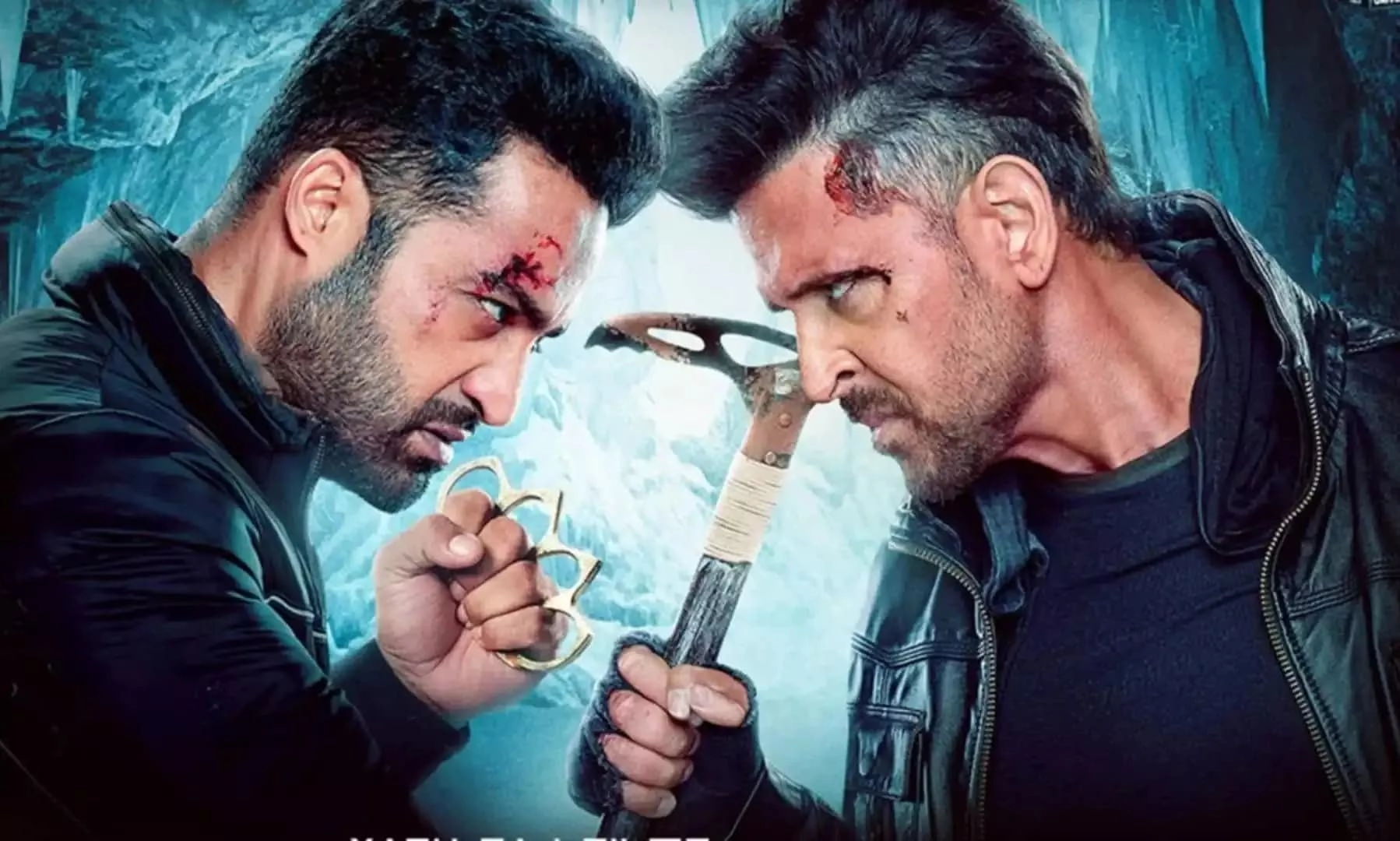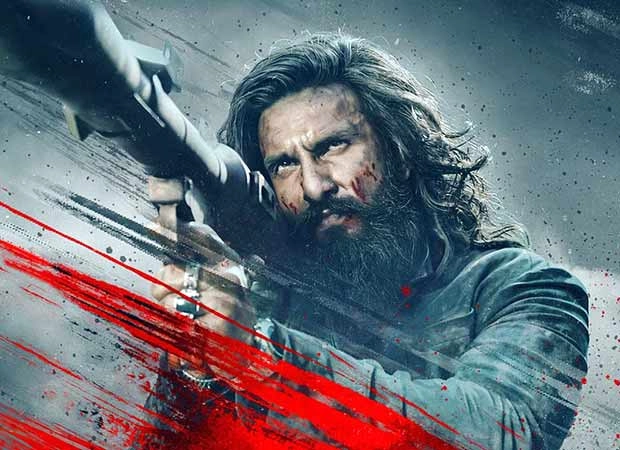
“Dhurandhar The Revenge,” a film that has recently garnered attention, is now facing significant legal challenges as a plea has been filed seeking to prevent its release. This legal action comes at a crucial time, just ahead of the Tamil Nadu elections, and raises concerns about the film’s potential impact on the political landscape in the region. The plea claims that the movie may have themes or content that could influence voters or disrupt the electoral process, thereby justifying the request for a ban on its release.
The controversy surrounding the film has sparked widespread discussions about the intersection of art and politics, particularly in a politically charged environment like Tamil Nadu. Critics argue that films can serve as powerful tools that shape public opinion and influence electoral outcomes. As a result, the timing of the film’s release has led many to question whether it could unfairly sway voters’ perspectives in favor of or against certain political parties or candidates.
Proponents of the film, on the other hand, argue for the importance of artistic expression and the right to free speech. They contend that banning a film based on its potential political implications sets a dangerous precedent, potentially stifling creativity and expression in the entertainment industry. This legal battle is not just about one movie; it reflects broader issues regarding censorship, the role of media in politics, and the delicate balance between artistic freedom and societal responsibilities.
As the court deliberates on the plea, both supporters and opponents of the film are keenly watching the developments. The outcome could have far-reaching implications not only for “Dhurandhar The Revenge” but also for future films that might find themselves at the intersection of politics and public sentiment. In an era where media can significantly influence political dynamics, the resolution of this case may set important precedents for how films are released and perceived in politically sensitive contexts.