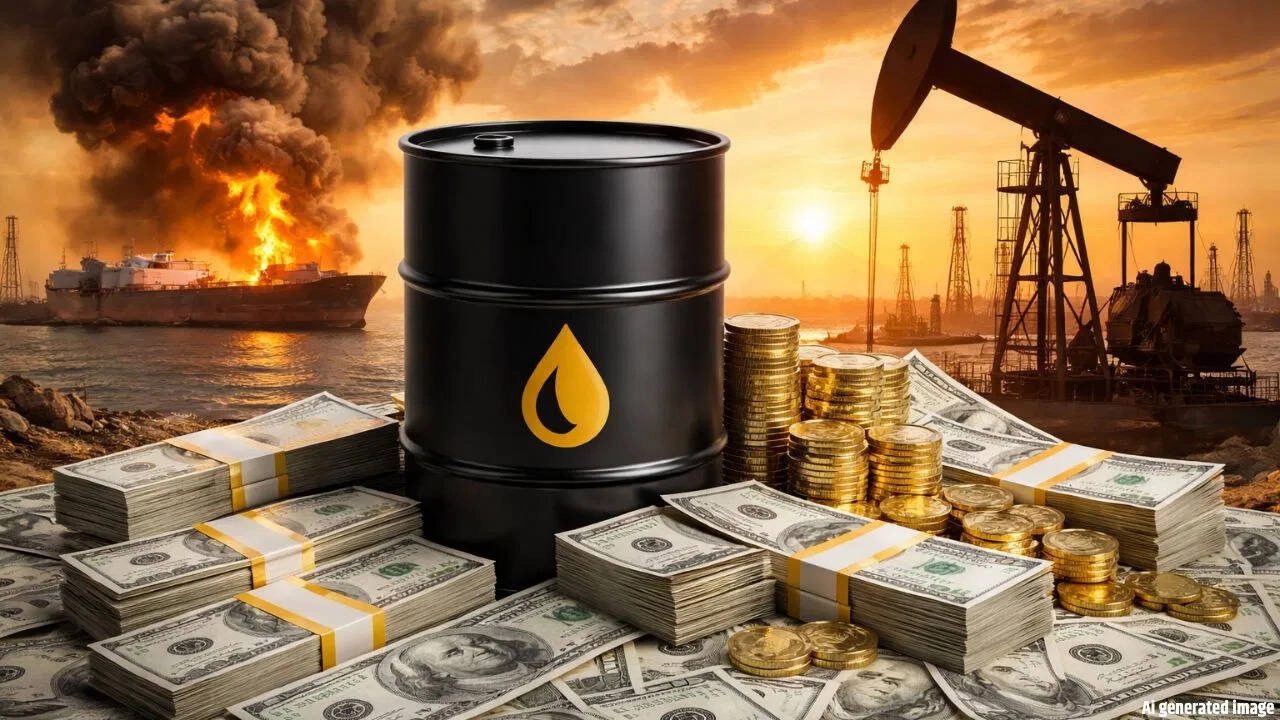
The oil market is currently experiencing significant fluctuations, primarily driven by recent production declines in Iraq and Qatar. These developments have raised questions and speculations among investors and analysts alike about the potential trajectory of crude oil prices. With geopolitical tensions and varying production levels in key oil-producing countries, the market is sensitive to any changes that could affect supply and demand dynamics.
As Iraq and Qatar face production setbacks, the implications for global oil supply are becoming increasingly pronounced. Iraq, one of the largest oil producers in OPEC, has been struggling with various challenges that have hindered its output. Similarly, Qatar, despite being a smaller player in terms of oil production, has also seen a decline that could impact its export capabilities. This situation has prompted traders to closely monitor price movements, particularly as crude oil prices hover around critical levels.
Analysts are particularly focused on whether crude oil will breach the $135 mark. If prices do surpass this threshold, it could signal a new phase of market volatility, potentially driven by further supply constraints or geopolitical factors. Investors are weighing the risks and rewards of their positions in light of these developments, with many adopting a cautious stance. The uncertainty surrounding production levels in Iraq and Qatar adds another layer of complexity to an already intricate market landscape.
In conclusion, the oil market is at a pivotal point, influenced by production declines in key regions and the ever-evolving geopolitical landscape. As stakeholders navigate these challenges, the potential for crude oil prices to rise beyond $135 remains a focal point of discussion. The coming weeks will likely reveal more about the market’s direction and the factors that will ultimately dictate price movements in this critical global commodity.