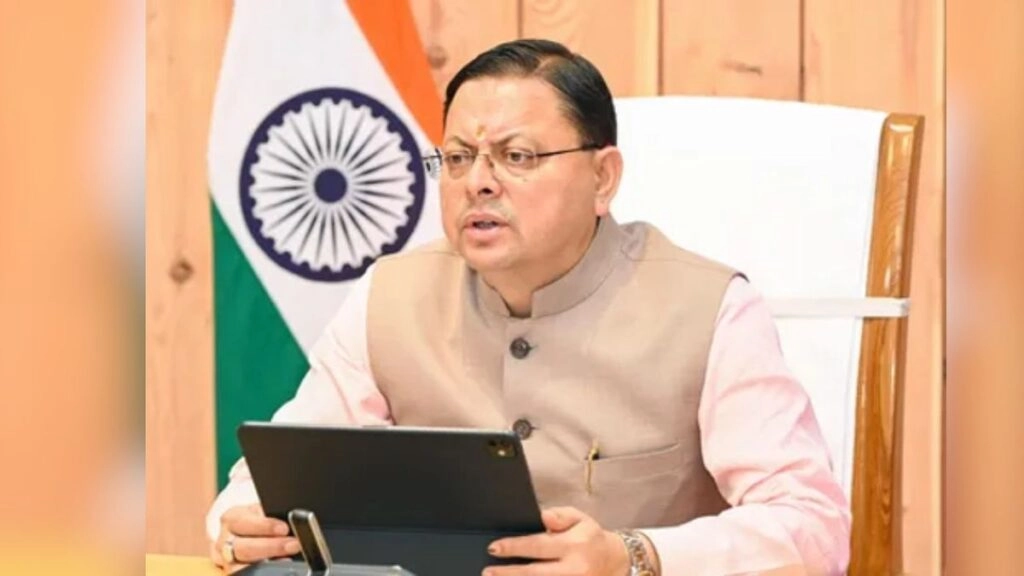
Uttarakhand Chief Minister Pushkar Singh Dhami has strategically retained control over some of the state’s most significant departments, raising questions about his broader political strategy and the division of responsibilities among his ministers. By keeping key portfolios, such as finance and home affairs, under his direct supervision, Dhami appears to be consolidating power within his administration. This move may be aimed at ensuring a cohesive approach to governance, particularly in areas that are crucial for the state’s development and security.
The division of responsibilities among ministers may also reflect Dhami’s intent to create a balance of power within his cabinet while maintaining oversight on critical issues. By assigning other departments to his ministers, he can allow them to build their portfolios and gain experience, yet his control over essential areas ensures that he remains the primary decision-maker in significant policy matters. This approach can foster a sense of accountability among ministers while preventing any one individual from becoming too powerful within the cabinet.
Moreover, this strategy could be aimed at strengthening the party’s position ahead of future elections. By demonstrating effective governance and a clear vision through his management of vital departments, Dhami can enhance his leadership image both within the party and among the electorate. The careful distribution of portfolios may also be a tactical move to appease different factions within the ruling party, ensuring that all voices are heard while he retains ultimate authority. In this context, the division of responsibilities is not merely administrative; it is a calculated political maneuver designed to bolster his leadership and the party’s unity as they prepare for upcoming challenges.