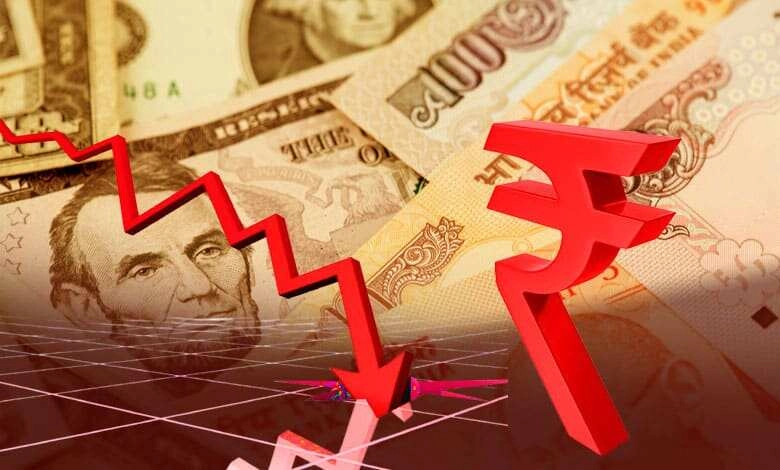
**Rupee Crash Alert: Understanding the Weakening of the Indian Rupee Amidst War Tensions**
The Indian Rupee has been experiencing significant depreciation recently, raising concerns among economists and investors alike. The atmosphere of war and geopolitical tensions has played a crucial role in this decline. There are several factors contributing to the weakening of the rupee, and understanding these can provide insights into the potential trajectory of the currency in the near future.
One primary reason for the rupee’s fall is the increasing uncertainty in global markets due to ongoing conflicts. Investors tend to seek safer assets during such times, often moving their capital to currencies like the US dollar. This shift in investment can lead to a decrease in demand for the rupee, further exacerbating its decline. Additionally, rising oil prices, often a consequence of geopolitical instability, can put additional pressure on the Indian economy, as India is a significant importer of crude oil. Higher oil prices result in increased import bills, consequently widening the current account deficit and negatively impacting the rupee.
Moreover, inflationary pressures are another critical factor. As prices rise domestically, the Reserve Bank of India may be compelled to adjust interest rates to combat inflation. However, if rates are kept too low, it could lead to further depreciation of the rupee. Furthermore, the potential for foreign capital flight cannot be overlooked. Investors may choose to withdraw their investments from emerging markets like India in favor of more stable economies, leading to a reduction in foreign exchange reserves and putting additional strain on the rupee.
As concerns mount, some analysts predict that the rupee could reach alarming levels, potentially touching the 100 mark against the dollar. This situation necessitates vigilant monitoring by policymakers and economic stakeholders. The government and the Reserve Bank of India need to implement strategies to stabilize the currency and restore investor confidence. Overall, the current geopolitical climate, combined with domestic economic challenges, creates a complex scenario that could have lasting implications for the Indian rupee.