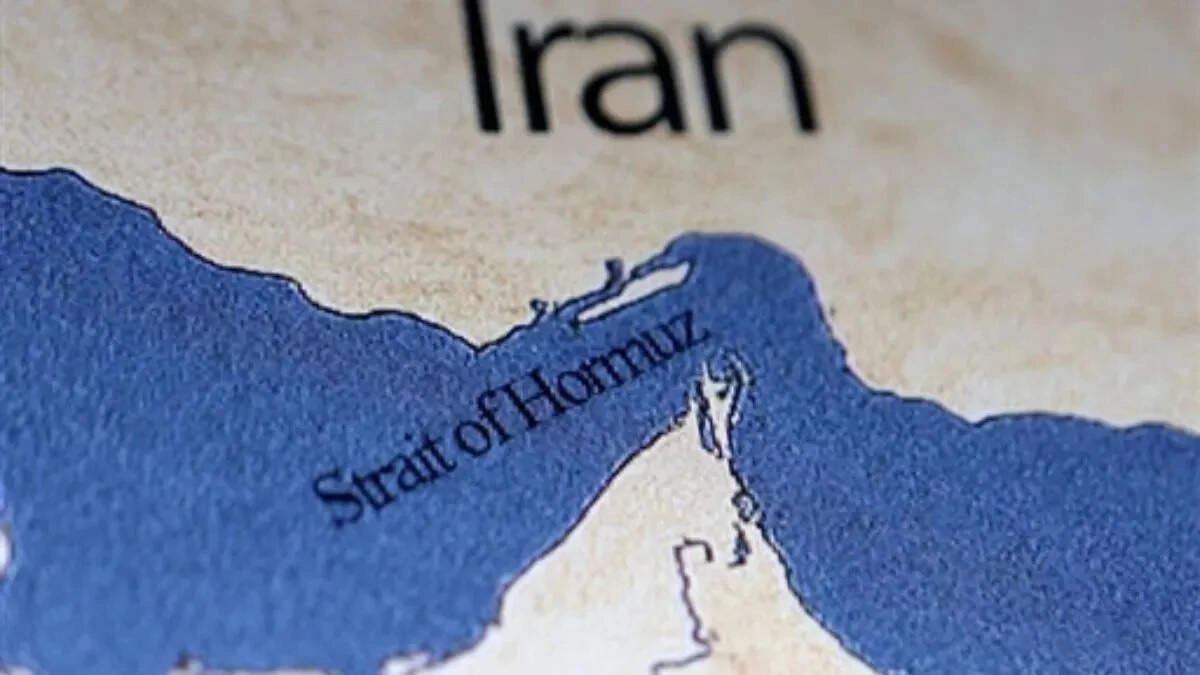
The Strait of Hormuz is a vital waterway that serves as a key passage for global oil transportation, with approximately 20% of the world’s oil supply passing through it. If this strategic strait were to remain closed for 30 days, the repercussions would be significant and far-reaching, impacting not only oil prices but also the broader global economy. The immediate effect would likely be a sharp increase in oil prices due to the sudden disruption of supply. Countries that heavily rely on oil imports, particularly those in Europe and Asia, could experience severe energy shortages, leading to inflation and increased costs for consumers and businesses alike.
In addition to the rise in oil prices, the closure of the Strait of Hormuz would create uncertainty in global markets. Investors often react to geopolitical tensions by pulling back from riskier assets, leading to market volatility. Stock markets around the world could see declines as businesses brace for higher transportation costs and potential supply chain disruptions. Furthermore, nations that are major oil exporters would face challenges as their revenues drop due to decreased global trade dynamics and fluctuating demand.
The longer-term implications would be even more profound. Countries dependent on oil imports might seek alternative energy sources or accelerate their transition to renewable energy, altering the global energy landscape. Meanwhile, oil-producing nations would need to find new markets or adapt to lower revenues, which could lead to economic instability in those regions. Overall, a 30-day closure of the Strait of Hormuz would not only impact oil prices but would also trigger a ripple effect through global economies, prompting shifts in energy policies, investment strategies, and international relations.