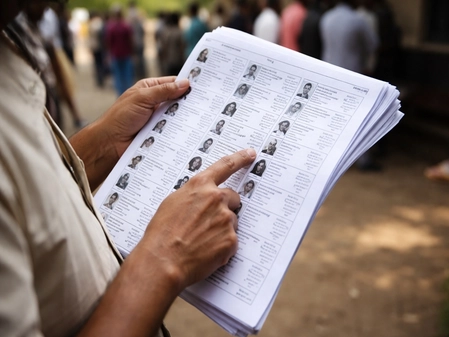
In West Bengal, a significant judicial process has recently concluded, revealing startling statistics regarding voter registration. Reports indicate that over 34 percent of eligible voters are missing from the electoral rolls, raising concerns about the integrity and inclusiveness of the democratic process in the state. This situation highlights the challenges faced by election officials and the need for comprehensive measures to ensure that all citizens have access to their fundamental right to vote.
The issue of voter registration is crucial in a democracy, as it directly impacts the representation of various communities and demographics in the electoral process. The fact that a substantial portion of the population is not registered to vote could lead to skewed election outcomes and diminish the voice of significant segments of society. Various factors may contribute to this situation, including administrative inefficiencies, lack of awareness among citizens about the registration process, and potential bureaucratic hurdles that deter individuals from enrolling.
In light of these findings, it is imperative for the state government and election authorities to take immediate action. Initiatives aimed at increasing voter awareness, simplifying the registration process, and conducting outreach programs in underserved areas can help address this issue. Additionally, the judicial system’s involvement in reviewing these processes underscores the importance of accountability and transparency in elections. By ensuring that every eligible voter is accounted for, West Bengal can move closer to a more equitable and representative democracy, where every voice is heard and valued.