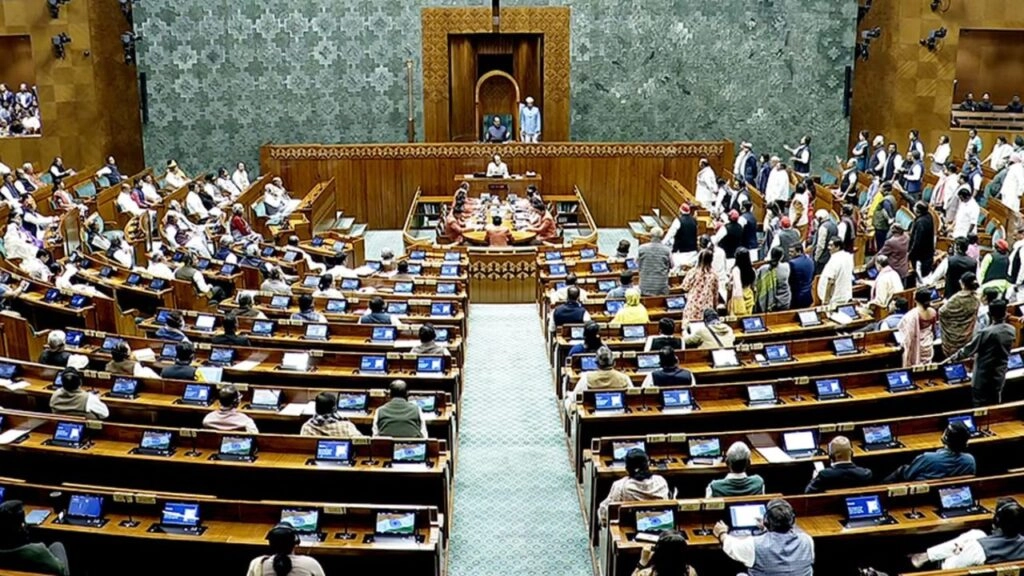
The Lok Sabha sessions that were originally scheduled for March 19 and 20 have been officially canceled. The decision to cancel these sittings was made in light of unforeseen circumstances that required reevaluation of the parliamentary schedule. In place of the canceled sessions, the Lok Sabha will now convene on March 28 and 29. This rescheduling aims to ensure that the necessary legislative business can still be conducted while accommodating the needs of all members and addressing any logistical challenges that may have arisen.
The cancellation and subsequent rescheduling of Lok Sabha sittings reflect the dynamic nature of parliamentary proceedings, which can be influenced by a variety of factors, including political developments, administrative requirements, or even national events. It is crucial for lawmakers to have the opportunity to engage in debate and discussion on pressing issues, and the new dates will allow for that engagement to take place.
As the rescheduled dates approach, it will be essential for members of the Lok Sabha to prepare for the discussions and legislative matters that will be on the agenda. The parliamentary sessions serve as a platform for representatives to voice the concerns of their constituents and to deliberate on critical legislation impacting the nation. With the postponement, there may be an increased sense of urgency to address various topics that require immediate attention, ensuring that the functioning of the government and its responsibilities to the public are upheld.
In conclusion, while the cancellation of the Lok Sabha sittings on March 19 and 20 may disrupt the planned legislative calendar, the newly scheduled dates of March 28 and 29 provide an opportunity for lawmakers to regroup and focus on the important issues at hand. As the parliamentary session resumes, it will be a time for renewed discussions and decision-making that ultimately reflect the needs and aspirations of the citizens they represent.