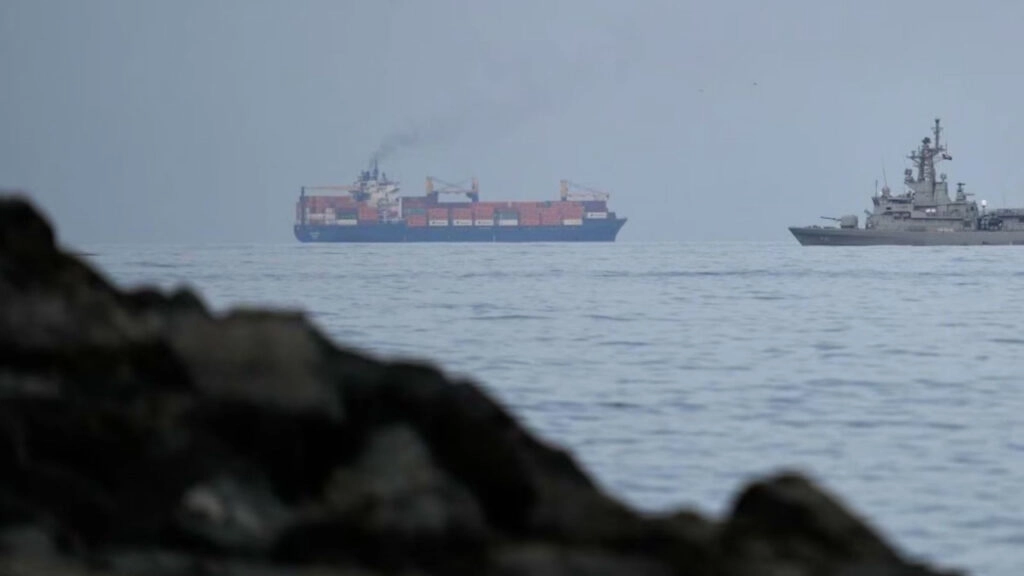
The ongoing conflict between Iran and Israel has created significant disruptions in the global supply chain, particularly affecting India, which currently has around 300,000 tonnes of liquefied petroleum gas (LPG) stranded due to the geopolitical tensions. This situation has raised serious concerns for the Indian government, as the nation relies heavily on imports to meet its energy needs. The blockage of LPG shipments through critical waterways, such as the Strait of Hormuz, has prompted officials to seek alternative routes and strategies to ensure the timely delivery of essential energy resources.
In response to these challenges, Indian authorities are actively exploring an “exit plan” to navigate the complexities posed by the conflict in the region. The Strait of Hormuz is a vital artery for global oil and gas transportation, with a significant percentage of the world’s LNG and LPG passing through this narrow passage. The fear of potential escalations in hostilities has led to increased insurance costs for vessels navigating the area, further complicating the logistics of energy imports. The Indian government is focusing on diplomatic channels and engaging with other nations to mitigate the impact of the ongoing crisis on their energy security.
Moreover, the situation highlights the importance of diversifying energy sources and routes to reduce dependence on any single region. The Indian government is considering various measures, including enhancing domestic production capabilities and exploring alternative import routes through partnerships with other countries. This approach aims to create a more resilient energy framework that can withstand geopolitical shocks and ensure a steady supply of LPG and other crucial commodities for the Indian economy. As the conflict continues to unfold, the situation remains fluid, and the government’s proactive measures will be essential in safeguarding the country’s energy interests.