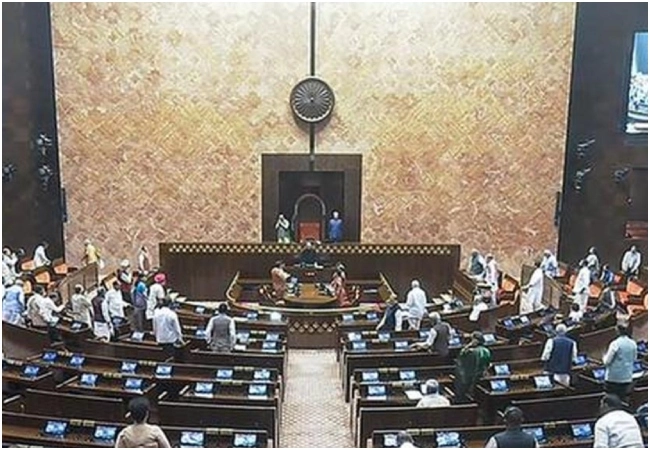
The Indian government has decided to cancel the Rajya Sabha meetings scheduled for March 19 and 20. This decision has been made for specific reasons that reflect the current political climate and the priorities of the government. The Rajya Sabha, as the upper house of Parliament, plays a crucial role in the legislative process, and any changes to its schedule can have significant implications for governance and law-making.
The cancellation of these meetings may be attributed to various factors, such as ongoing discussions among party leaders, the need for more time to prepare for upcoming legislation, or even external circumstances that require the attention of lawmakers. By postponing these sessions, the government can ensure that members are better prepared to address important issues when they do convene. This decision indicates a strategic approach to managing parliamentary business, allowing for a more focused and productive session when the Rajya Sabha reconvenes.
Moreover, this move might also reflect the government’s intention to prioritize certain urgent matters that require immediate attention. In a dynamic political environment, it is essential for the government to remain flexible and responsive to changing situations. By taking this step, the government demonstrates its commitment to effective governance while also considering the logistical challenges that may arise during parliamentary sessions. As the nation continues to navigate complex issues, the ability to adapt the parliamentary calendar accordingly is vital for ensuring that the legislative process functions smoothly and efficiently.