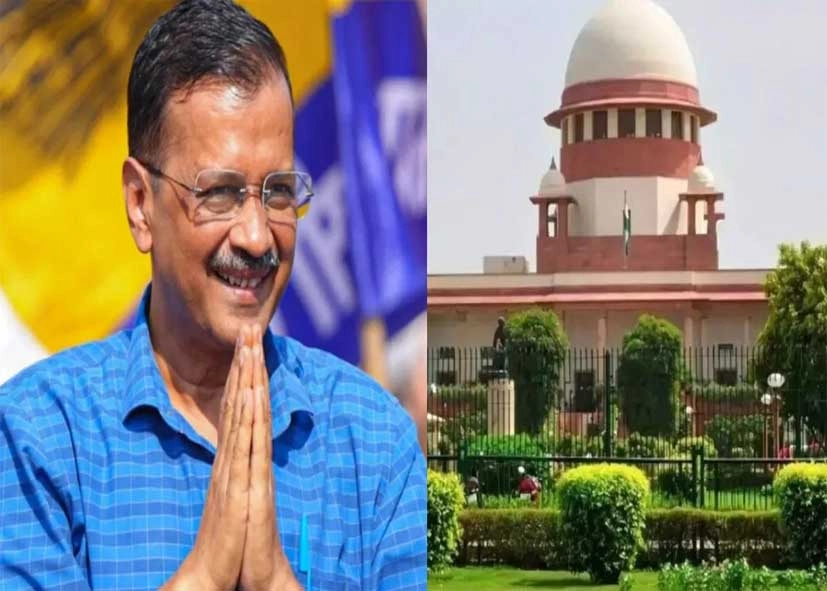
Arvind Kejriwal, the Chief Minister of Delhi, has taken a significant step by appealing to the Supreme Court regarding the liquor policy case that has drawn considerable attention and controversy. This move comes after he faced setbacks in the Delhi High Court, where his requests for relief were denied. The case revolves around allegations concerning the implementation of a new liquor policy in the national capital, which has been criticized for purported irregularities and corruption. Kejriwal’s decision to escalate the matter to the Supreme Court indicates the seriousness with which he views the allegations and the potential ramifications for his administration.
In his appeal, Kejriwal is not only seeking judicial intervention but is also requesting a change of judge, suggesting that he believes the current presiding judge may not be impartial or conducive to a fair hearing of the case. This aspect of the appeal highlights the political dimensions of the case, as it intertwines legal proceedings with broader issues of governance and accountability. The liquor policy has been a contentious topic, with supporters arguing that it could generate significant revenue for the state, while detractors claim it has led to an increase in corruption and illegal activities.
The Supreme Court’s decision on this matter will be closely watched, as it could set important precedents regarding political accountability and judicial independence in India. Kejriwal’s government has maintained that the liquor policy was formulated with the intent to improve the efficiency of liquor sales and to curb the black market. However, the ongoing legal challenges reflect the complexities and challenges of implementing such policies in a politically charged environment. As developments unfold, the implications for both Kejriwal’s administration and Delhi’s governance will be significant, making this case a focal point in the ongoing discourse about ethics and legality in Indian politics.