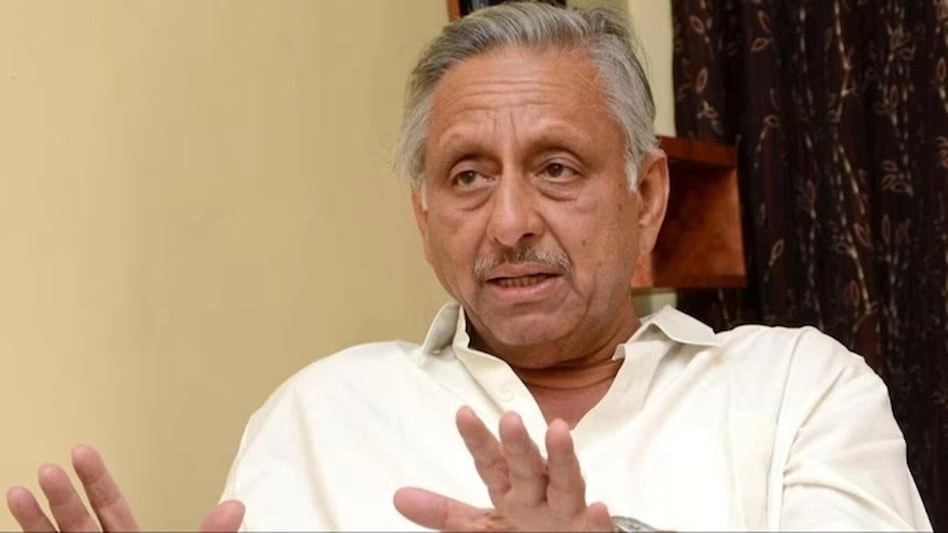
Mani Shankar Aiyar, a prominent Indian politician and member of the Indian National Congress party, has once again stirred controversy with his recent statements regarding marriage and population dynamics in India. In a public discourse, Aiyar remarked that not only Muslims but also Hindus and Sikhs practice polygamy, suggesting that this is a broader issue that transcends religious boundaries. His comments have reignited debates surrounding marriage practices and population control in the country, highlighting the complexities of cultural norms and legal frameworks that govern marital relationships.
Aiyar’s assertion raises significant questions about the perceptions and realities of marriage in India, where diverse cultural practices coexist. While polygamy has been historically associated with certain communities, the legal landscape has evolved, and many forms of marriage are now governed by specific laws that often prohibit multiple spouses. Aiyar’s comments challenge the conventional understanding of these practices and invite scrutiny into the social implications of polygamous relationships, particularly in the context of population growth and resource management.
The timing of Aiyar’s statement is also noteworthy, given the ongoing discussions about India’s population policies and the government’s efforts to address demographic challenges. Critics argue that invoking polygamy as a widespread practice among Hindus and Sikhs could be misleading, as it may not reflect the reality of contemporary marital norms in these communities. Nevertheless, Aiyar’s remarks have sparked a dialogue about the intersections of religion, marriage, and population issues, encouraging a reevaluation of how cultural practices influence societal trends in India. Whether one agrees with his perspective or not, it is clear that his comments have opened the floor for a much-needed conversation about marriage practices across different religions in India.