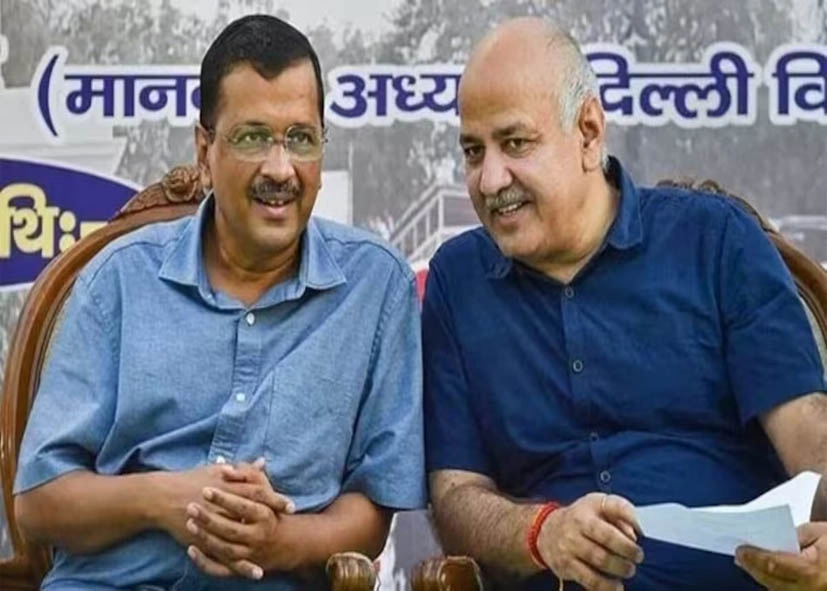
In the ongoing developments surrounding the Delhi liquor scam, significant news emerged regarding prominent political figures Arvind Kejriwal and Manish Sisodia. Following their recent acquittal in connection with the case, both leaders have taken a decisive step by filling out a surety bond of Rs 50,000. This bond serves as a formal assurance regarding their commitment to comply with legal proceedings and conditions set forth by the court. The acquittal marks a pivotal moment for Kejriwal and Sisodia, who have faced intense scrutiny and allegations related to corruption in the Delhi government’s liquor policy.
The Delhi liquor scam has been a contentious issue, drawing considerable media attention and public discourse. Allegations against the Aam Aadmi Party (AAP) leaders included improper financial dealings and favoritism in the liquor licensing process. The legal battle surrounding the case has not only impacted the political landscape in Delhi but has also raised broader questions about governance and accountability in Indian politics. Kejriwal, as the Chief Minister, and Sisodia, as the Deputy Chief Minister, have maintained their innocence throughout the ordeal, asserting that the charges were politically motivated.
Their acquittal and the subsequent surety bond signify a cautious but hopeful step toward resolution. For AAP supporters, this development may bolster confidence in their leadership, while critics may continue to scrutinize the party’s practices. As the situation unfolds, both Kejriwal and Sisodia are likely to remain in the public eye, navigating the complexities of their political responsibilities while addressing the repercussions of the scandal. This case serves as a reminder of the intricate interplay between politics and the law in India’s democratic framework, highlighting the ongoing challenges faced by political leaders in maintaining transparency and integrity.